

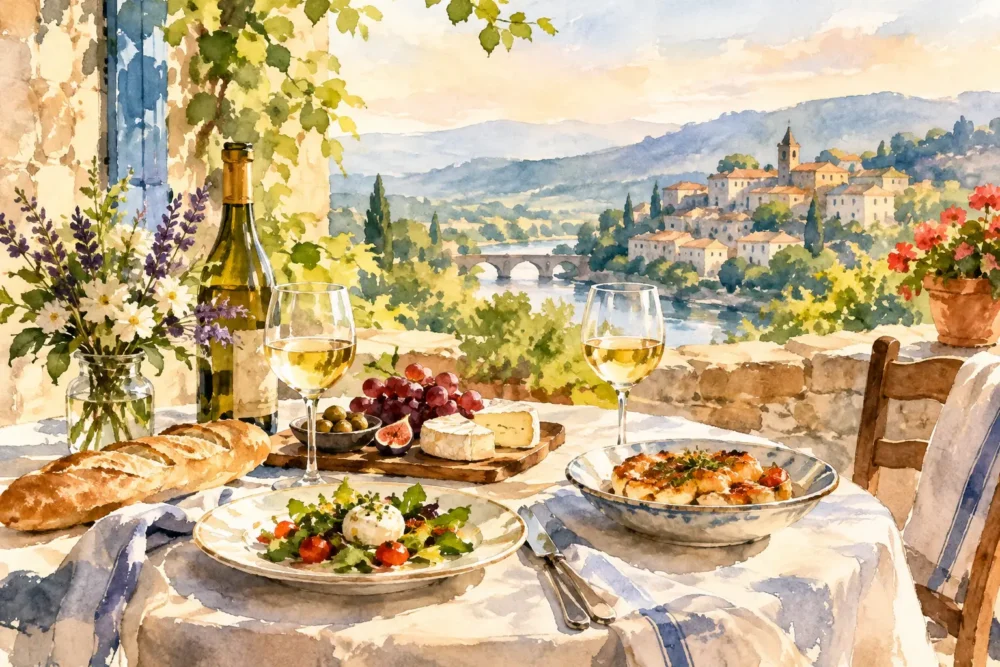
A memorable meal is rarely defined by a single plate. It is shaped by the first pour of wine, the warmth of the room, the quiet confidence of service, and the moment a carefully composed dish arrives at the table. French cuisine understands this instinctively. It treats dining as an occasion for attention, pleasure, and conversation rather than a pause between obligations.
For guests who value an intimate evening out, French cooking offers more than familiar classics. It offers a language of craft: sauces built patiently, ingredients selected at their peak, and textures balanced with restraint. At its best, it invites guests to slow down and savor what has been placed before them.
What Defines French Cuisine
French cuisine is often associated with its most celebrated dishes: buttery pastries, delicate soufflés, rich braises, and wines chosen with care. Yet its enduring character rests on something deeper. It is a culinary tradition grounded in technique, proportion, and respect for ingredients.
A sauce is not merely an accompaniment. It brings a dish into focus, carrying brightness, depth, or silkiness without obscuring the ingredient beneath it. A roast is judged not only by its seasoning but by the crispness of its exterior, the tenderness within, and the jus served alongside it. Even a simple salad requires judgment, from the quality of the greens to the balance of acid and oil.
This discipline can sound formal, but the result should never feel rigid. The finest French cooking has clarity. Each element has a purpose, and each course feels complete without being overworked. The guest experiences ease, even when considerable precision has taken place behind the scenes.
French Cuisine Is Rooted in Place and Season
There is no single expression of French food. The buttery, cream-forward traditions of Normandy differ greatly from the sunlit flavors of Provence. In Burgundy, wine and slow cooking shape the table; along the Mediterranean coast, olive oil, seafood, herbs, tomatoes, and citrus take a more prominent role.
This regional range is one reason French cuisine remains so compelling. It can be comforting and deeply rustic, or polished enough for a formal dining room. A winter menu may favor mushrooms, root vegetables, game, and slow-braised meats, while spring invites tender greens, peas, asparagus, and bright herbs. Summer calls for ripe fruit, grilled fish, and vegetables that need little more than heat and a thoughtful seasoning.
Seasonality is not a decorative idea. It determines flavor, texture, and the natural rhythm of a menu. When ingredients are allowed to lead, a dish feels timely rather than predictable. That is particularly meaningful in destination dining, where guests hope to remember not just what they ate, but the sense of place and occasion surrounding it.
The Mediterranean Influence
French Mediterranean cooking brings a lighter, more aromatic expression to classic French foundations. Olive oil may take the place of butter in certain preparations. Garlic, fennel, basil, saffron, and citrus can bring lift to fish, poultry, and vegetables. The result is refined but never heavy.
This is not a departure from French technique. It is an expansion of it. A carefully reduced sauce, a perfectly cooked filet of fish, or a composed dessert still demands skill. Mediterranean ingredients simply bring a different kind of sunlight to the plate: vivid, fragrant, and inviting.
For many diners, this balance is ideal. A rich, traditional preparation has its place, particularly on a cool evening or during a celebratory dinner. But a menu that can move gracefully between depth and brightness offers greater range across the seasons and across several courses.
Why Technique Still Matters
Modern diners often seek food that feels honest and ingredient-driven. French technique supports that desire when it is used with restraint. Proper technique does not mean adding complexity for its own sake. It means knowing how to draw the best character from an ingredient.
Consider a velvety soup. Its elegance may come from the way vegetables are slowly softened, blended to the right texture, and finished with just enough richness to round the flavor. A dessert may appear simple, yet depend on precise temperature, timing, and balance to achieve a crisp shell, tender center, or clean finish.
Technique also creates consistency. In a fine dining setting, guests should be able to trust that a dish has been considered from its first preparation to its final garnish. That reliability allows the meal to feel relaxed. There is no need for spectacle when the cooking speaks with assurance.
The Table Is Part of the Experience
French cuisine is often best understood not as a collection of recipes, but as a way of gathering. Courses are paced to allow conversation to unfold. Wine is selected to complement the food, not simply to fill a glass. Service anticipates a guest’s needs without interrupting the evening.
This is where the setting becomes essential. An elegant courtyard, candlelit dining room, or softly composed table can heighten the pleasure of a meal because it gives the experience room to breathe. The goal is not excess. It is intention.
At René at Tlaquepaque, French Mediterranean cooking is presented within that spirit: a composed culinary experience designed for guests who appreciate beauty, craft, and an unhurried evening in Sedona. The food matters deeply, but so does the feeling of being welcomed into a setting where conversation is allowed to take its time.
Wine, Cocktails, and Balance
A well-chosen pairing can reveal something new in a dish. A crisp white wine may sharpen the appeal of shellfish or a citrus-accented preparation. A structured red can meet the savory depth of lamb, duck, or a slow-braised entrée. Champagne offers freshness and ceremony, making it equally suited to the beginning of an evening or a delicate first course.
Cocktails have a place as well, particularly when they are made with the same attention given to the kitchen. An aperitif with herbal, sparkling, or citrus notes can awaken the palate before dinner. The trade-off is worth considering: a heavily sweet cocktail may overwhelm subtle flavors, while a balanced drink can complement the meal beautifully.
There is no universal rule for pairing. A guest who prefers a favorite varietal should feel welcome to enjoy it. Guidance is most valuable when it reflects both the dish and the individual at the table.
A Different Pace for a Special Evening
Fine dining asks for a little time, and it gives something meaningful in return. A prix fixe menu or multi-course dinner may not suit every schedule, especially when the goal is a quick meal before an event. But for an anniversary, a birthday, a long-awaited visit to Sedona, or a quiet evening with someone important, a measured pace becomes part of the luxury.
Each course creates a natural pause. Guests can notice the textures of a dish, discuss the wine, and enjoy the setting without feeling rushed toward the next decision. This rhythm is especially welcome in a culture accustomed to speed. It transforms dinner from a transaction into a shared memory.
The experience need not be overly formal to feel elevated. Gracious hospitality is less about ceremony than attentiveness. It means knowing when to offer a recommendation, when to refresh a glass, and when to leave a table undisturbed.
How to Enjoy French Cuisine More Fully
The best approach is simple: arrive with curiosity and give the evening enough room. Consider choosing a dish you might not prepare at home, whether it is a classical sauce, a seasonal fish preparation, or a dessert that requires exacting pastry technique. Ask about the ingredients that are at their peak and let the menu guide the occasion.
For couples and celebratory guests, sharing a few selections can make the meal more conversational. A starter chosen together, followed by distinct entrées and a dessert for the center of the table, creates variety without turning dinner into a hurried tasting exercise. If wine is part of the evening, a thoughtful recommendation can turn a familiar dish into a new experience.
The real pleasure of French cuisine lies in its invitation to pay attention. Reserve the time, choose with care, and let an exceptional table become the setting for the conversation you will want to remember.