

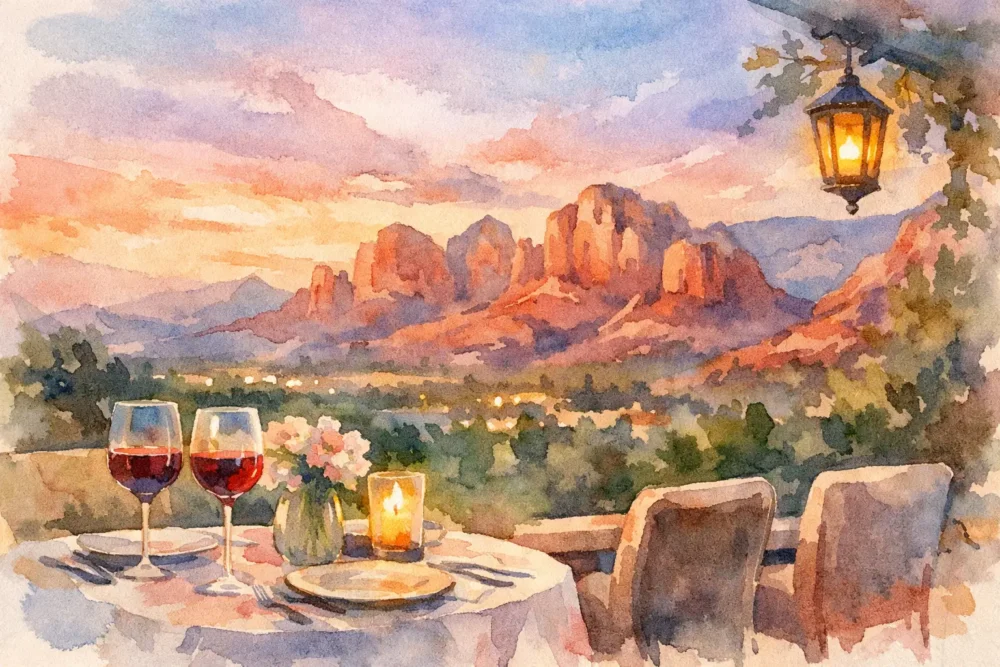
A memorable dinner begins well before the first course arrives. A thoughtful guide to special occasion dining starts with a simple understanding: the table is only one part of the evening. The reservation, the company, the setting, the pace, and the small decisions made in advance all shape how the occasion feels when you look back on it.
Whether the reason is an anniversary, a birthday, an engagement, a long-awaited reunion, or simply a beautiful evening shared while visiting Sedona, fine dining offers something increasingly rare – uninterrupted time, guided by craft and hospitality.
Begin With the Occasion, Not the Menu
The best restaurant choice depends on what you want the evening to hold. A lively birthday gathering may call for a different energy than a quiet anniversary dinner. For a romantic occasion, seek a dining room where conversation can unfold without competing with excessive noise, rushed turns, or distractions.
Consider the emotional center of the gathering. Is the goal to surprise someone? To mark a milestone with ceremony? To enjoy an intimate meal after a day among Sedona’s red rocks and galleries? Once the intention is clear, selecting the right experience becomes easier.
A fine dining restaurant is especially well suited to occasions that deserve an unhurried pace. Courses arrive with care, wine can be chosen to complement the meal, and service is attentive without asking to become the focus. This rhythm allows guests to settle in rather than move through the evening on a schedule.
Reserve Early and Share What Matters
For sought-after tables, especially on weekends, holidays, and peak travel seasons, reserve as early as possible. An early reservation gives the restaurant the best opportunity to accommodate meaningful requests, whether that means recognizing an anniversary, planning a toast, or arranging a table that feels appropriately intimate.
When making the reservation, mention the occasion with quiet clarity. A short note is enough: celebrating a birthday, honoring an anniversary, or hosting visiting family. Restaurants that value hospitality use this information to shape the welcome thoughtfully. It is not necessary to over-direct every detail; the pleasure of a polished dining room is trusting its team to exercise good judgment.
Timing matters as well. An earlier reservation can create a gentler start to the night and leave room for a courtyard stroll or a final drink afterward. A later seating may feel more private and candlelit. Neither is inherently better. Choose according to the pace you and your guests enjoy.
Consider the Size of Your Party
Two people often benefit from the quietest table and the freedom to linger over a full meal. A group of four to six can be wonderfully celebratory, provided the restaurant’s atmosphere supports conversation. Larger parties require more planning and may be better served through a private dining arrangement, where menu, timing, and seating can be considered as one complete experience.
Dress for the Setting and the Moment
Special occasion dining is not about costume. It is about respect for the occasion, your companions, and the room you have chosen. A polished jacket, elegant dress, tailored trousers, or a refined blouse can change the posture of an evening without making anyone feel constrained.
In Sedona, the day may begin casually with hiking, shopping, or sightseeing. Give yourself time to return, refresh, and transition into dinner. That pause is valuable. It marks the shift from the day’s movement into an evening with intention.
Comfort still matters. Choose clothing that lets you relax through several courses, and bring an extra layer if you expect to spend time outdoors. The most successful special occasion attire feels considered, never self-conscious.
Let the Meal Set Its Own Pace
One common mistake is treating a fine dining reservation like a checklist. Arrival, order, entrée, dessert, departure. A better approach is to leave room for the experience to develop. Arrive a few minutes early, allow time to enjoy an aperitif, and resist the urge to rush decisions simply because a menu is extensive.
Ask your server for guidance when it is useful. A well-trained dining team can explain a preparation, recommend a wine by the glass, or help balance a shared meal. If one guest prefers a lighter course while another wants a more elaborate entrée, that difference does not need to disrupt the table. Thoughtful service is there to make individual preferences feel natural.
A prix fixe menu can be especially fitting for a celebration. It offers a composed progression of flavors and removes some of the decision-making from the evening. À la carte dining, on the other hand, provides greater flexibility if guests have distinct tastes or dietary considerations. The right choice depends on whether you prefer a chef-led journey or a more personal path through the menu.
Choose Wine and Cocktails With Care
A celebratory drink can set a gracious tone, but it need not dominate the meal. Champagne is a classic beginning for a reason: its brightness wakes the palate and makes even a simple toast feel ceremonial. A carefully made cocktail may suit guests who enjoy more aromatic or spirited flavors.
For wine, consider the whole meal rather than only the entrée. A versatile white may carry you gracefully from an opening course through seafood or lighter preparations. A balanced red can complement richer dishes without overpowering their detail. If the table is ordering several styles of cuisine, wines by the glass can offer more freedom than one bottle.
There is also no need to order wine simply because the occasion feels formal. Sparkling water, a nonalcoholic aperitif, or a thoughtfully prepared zero-proof drink can be every bit as celebratory. What matters is that each guest feels included in the toast.
Make Room for Conversation
The most enduring part of a special dinner is rarely a single dish, though an exceptional dish will be remembered. It is the conversation that settles around it. Put phones away, except for a quick photograph if the moment calls for one. Let the table remain a place for eye contact, stories, and the kind of pauses that do not need filling.
If you are planning a surprise, keep it simple. A handwritten card, a discreetly arranged dessert, or a sincere toast is often more moving than an elaborate production. In a refined dining room, restraint has its own romance.
For hosts, the greatest courtesy is making guests feel cared for without managing every moment. Confirm dietary needs in advance, select a restaurant that suits the group, and then allow the evening to breathe. The details should feel effortless to the people you invited.
A Guide to Special Occasion Dining Etiquette
Fine dining etiquette is less complicated than it appears. Arrive on time. Speak at a volume that protects the intimacy of nearby tables. Treat the dining room and its team with the same consideration you would want for your own celebration.
If you are uncertain about a menu item or service custom, ask. Curiosity is always welcome when it is expressed graciously. The purpose of etiquette is not to create anxiety; it is to preserve a calm, beautiful environment where everyone can enjoy their meal.
Children and group dynamics deserve honest consideration. Some upscale restaurants are designed expressly for adults seeking a quiet, uninterrupted evening. Choosing an environment aligned with your party’s needs is an act of consideration for both your guests and fellow diners.
Let Dessert Be Part of the Plan
Dessert is often where a special occasion becomes unmistakably celebratory. Rather than viewing it as an optional final course, leave room for it from the beginning. A shared dessert can feel intimate; individual selections make a lovely punctuation for a group meal. Coffee, tea, or a dessert wine can extend the table just long enough for the evening to soften into its final conversation.
At René at Tlaquepaque, the experience is designed around this sense of progression: French Mediterranean cooking, seasonal ingredients, gracious service, and a romantic courtyard setting that invites guests to slow down. It is a reminder that an exceptional dinner is not merely served. It is composed.
The occasion does not need to be grand to deserve care. Reserve the table that feels right, arrive ready to be present, and give the people across from you the rare gift of an evening with nowhere else to be.