

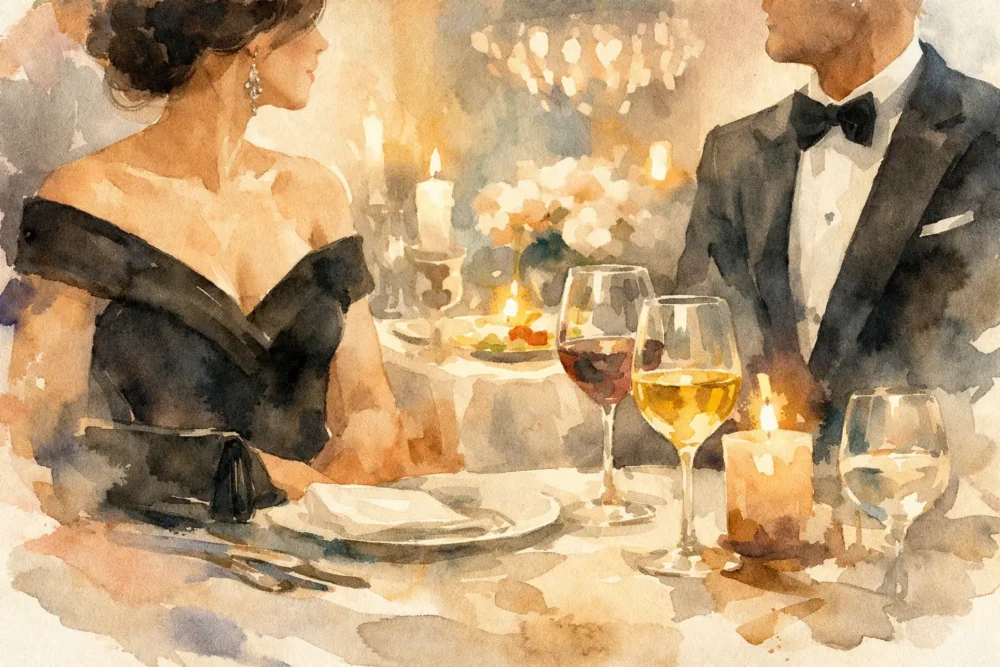
A fine dining reservation sets a tone before the first course arrives. If you are wondering what to wear fine dining, the right answer is rarely about dressing stiffly or chasing formality for its own sake. It is about showing respect for the setting, moving through the evening with ease, and choosing pieces that feel polished enough to match an unhurried, elegant meal.
The best fine dining style sits in a thoughtful middle ground. You want to look elevated, but not theatrical. Refined, but still like yourself. In a restaurant where ambiance, service, and culinary craft are part of the experience, clothing becomes part of how you enter the room.
What to wear fine dining starts with the setting
Not every fine dining restaurant asks for the same level of dress. A metropolitan dining room with a formal tasting menu may lean more traditional, while a romantic destination restaurant in Sedona or on the coast may interpret elegance with a lighter touch. The question is not simply whether a place is expensive. It is whether the atmosphere calls for tailored restraint, occasion dressing, or understated luxury.
Start with three cues: time of day, venue style, and occasion. Lunch in a refined restaurant can allow for softer tailoring, lighter fabrics, and less overtly formal pieces. Dinner usually asks for more structure and presence. If the reservation is for an anniversary, birthday, or celebratory evening, dressing one step above everyday smart casual is usually the safest choice.
A good rule is this: if your outfit would feel at home in a beautiful dining room with low conversation, attentive service, and a carefully paced meal, you are likely close.
The standard that works most often
For most fine dining restaurants in the US, the sweet spot is business elegant or cocktail-adjacent attire. That means clothes with shape, intention, and a finished look. It does not always mean a suit or a floor-length dress. It does mean avoiding anything that reads overly casual, wrinkled, noisy, or careless.
For women, a midi dress, tailored jumpsuit, silk blouse with trousers, or a refined skirt-and-top combination usually works beautifully. For men, a blazer, dress shirt, tailored slacks, and leather shoes are dependable choices. In some dining rooms, a tie is optional. In others, it still feels appropriate, especially for evening service.
The common thread is polish. Crisp fabrics, proper fit, and restrained accessories matter more than trend. Fine dining style is less about making a statement and more about matching the grace of the room.
What women can wear to fine dining
A dress is often the easiest choice because it looks complete with very little effort. A sheath, wrap, slip dress in a substantial fabric, or an elegant midi with clean lines feels appropriate in most upscale settings. If dresses are not your preference, tailored trousers with a blouse and a softly structured jacket can look equally refined.
Color depends on season and venue. Black is reliable, though not mandatory. Jewel tones, cream, navy, deep green, and muted metallics all wear well in candlelit spaces. In warmer destinations, softer neutrals and lighter fabrics can feel more natural, provided the overall look still feels composed.
Shoes should be dressy enough for the room but comfortable enough for a lingering evening. A low heel, sleek sandal, pump, or polished flat can all work. The only real mistake is choosing something so impractical that it distracts from the experience.
What men can wear to fine dining
For men, a collared shirt and tailored trousers are the baseline. Add a blazer and the outfit immediately feels right for most fine dining environments. A full suit may be ideal for a more formal restaurant, but many upscale settings no longer require one if the overall presentation is sharp.
Dark slacks, a pressed shirt, a well-fitted sport coat, and leather loafers or dress shoes create a balanced look. If you are unsure whether the venue is formal enough to warrant a tie, bring one or choose a shirt-and-jacket combination that can stand confidently without it.
What matters most is avoiding clothes that drift into business travel or weekend casual territory. Fine dining style should feel considered, not merely acceptable.
What not to wear fine dining
It is often easier to define fine dining attire by what misses the mark. Athletic wear, hoodies, distressed denim, flip-flops, baseball caps, and graphic T-shirts rarely belong in a refined dining room. The same is true for overly revealing pieces, beachwear, or anything that appears rumpled from a suitcase.
Even when a restaurant does not publish a strict dress code, the atmosphere may still suggest quiet expectations. Guests notice when a room is built around elegance and intention. Dressing too casually can make you feel out of step, even if no one says a word.
Jeans are the most common gray area. In some upscale but less formal restaurants, dark, immaculate denim paired with a blazer and dress shoes may pass. In a classic fine dining setting, tailored trousers or a dress are still the stronger choice. If you have to ask whether the jeans are too casual, they probably are.
The role of comfort
Elegance and comfort are not opposites. In fact, one supports the other. A long dinner asks for clothing that lets you sit well, move naturally, and remain at ease across several courses. Tight waistbands, painful shoes, and fabrics that wrinkle instantly can undermine the experience.
The better approach is to choose refined pieces that wear comfortably for two or three hours. Fine dining is meant to be savored. Your clothing should allow for that unhurried pace.
Seasonal and destination-specific choices
Location changes the details. What to wear fine dining in New York in December is different from what feels right in Sedona in spring. The standard of polish remains, but fabric, layering, and color can shift with the climate.
In warmer weather, linen blends, silk, light wool, and breathable cotton can look elegant without feeling heavy. The key is to keep these fabrics tailored and pressed. In cooler months, richer textures such as velvet, crepe, wool suiting, and fine knits add depth while staying formal enough for dinner.
Destination restaurants often invite a slightly more relaxed interpretation of sophistication. In a romantic courtyard setting, for example, a flowing dress, lightweight blazer, or open-collar shirt can feel entirely right. The point is not to dress for a boardroom when the setting calls for evening ease. It is to align with the beauty of the space.
Dressing for lunch versus dinner
Lunch fine dining attire can be lighter in tone and slightly less formal in structure. A polished daytime dress, tailored separates, or a jacket without a tie often feels appropriate. You still want a finished look, but daytime service usually allows more softness.
Dinner asks for more presence. Deeper colors, more defined tailoring, dressier shoes, and richer accessories tend to look better after dark. If lunch is about refinement, dinner is about atmosphere.
This is especially true in restaurants where lighting, wine service, and pacing are central to the experience. In those spaces, evening attire should complement the mood rather than compete with it.
How to know if you are overdressed
Most guests worry more about being overdressed than underdressed, but in fine dining, tasteful overdressing is rarely the problem. If your outfit is elegant, restrained, and suited to the occasion, it will almost always land well.
The real risk is dressing in a way that feels disconnected from the room. Sequins at a quiet, romantic dinner can feel excessive. So can a tuxedo where a jacket would do. But a beautifully cut dress, a tailored suit, or a refined blazer-and-trouser combination rarely looks out of place.
When in doubt, choose classic over trendy. Simplicity carries authority in an upscale restaurant.
A practical approach before your reservation
If you are still deciding what to wear fine dining, think in layers of certainty. First, choose one polished anchor piece – a dress, a blazer, tailored pants, a silk blouse. Then build around it with quiet accessories, proper shoes, and outerwear that does not diminish the look the moment you arrive.
Pay attention to grooming as much as clothing. Pressed garments, clean shoes, subtle fragrance, and a composed overall presentation matter. Fine dining is not only about the plate. It is about the total impression.
At René at Tlaquepaque, for example, the mood is romantic, mature, and intentionally refined. An outfit that feels elegant without being overstated suits that kind of evening best.
The right outfit should never distract from the person wearing it or the meal ahead. It should let you settle in, order a beautiful bottle, and enjoy the kind of evening that rewards attention to detail. If your clothing feels poised, comfortable, and in harmony with the room, you have chosen well.