

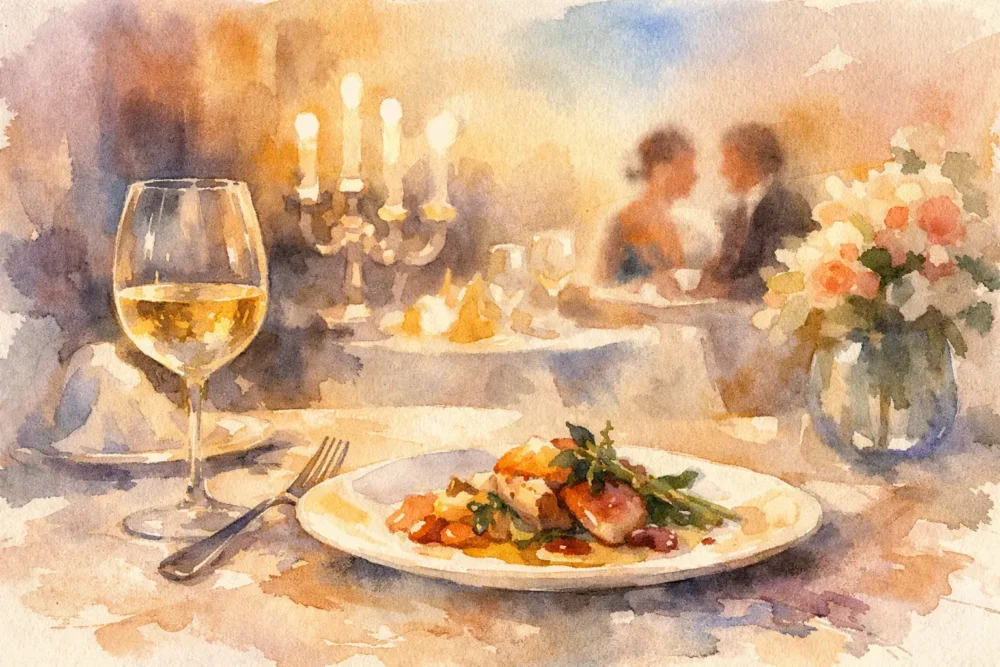
A refined dining experience begins before the first course reaches the table. It begins with the feeling that the evening has been considered: a gracious welcome, a table set with care, lighting that flatters conversation, and a room that invites guests to settle in rather than rush through. For diners who choose a restaurant for an anniversary, a meaningful reunion, or a romantic evening in Sedona, these details are not incidental. They are the occasion.
Fine dining is sometimes reduced to formality or elaborate presentation. Those elements can have their place, but true refinement is quieter. It is the confidence of a kitchen that knows when to preserve the character of an ingredient, the awareness of a server who appears at the right moment, and the measured pace that allows a meal to become an evening.
The Elements of a Refined Dining Experience
A memorable meal relies on more than a beautiful plate. Cuisine, service, setting, and timing must work in concert. When one element competes for attention, the experience can feel staged. When each supports the others, guests are free to be present with the person across the table.
Cuisine shaped by intention and season
Refinement begins with restraint. A composed dish should have a point of view, whether it is rooted in the elegance of French technique, the warmth of Mediterranean ingredients, or the character of the season. The aim is not to place every available flavor on one plate. It is to create balance: richness met with brightness, texture answered by tenderness, and familiar ingredients presented with fresh precision.
Seasonal cooking matters because it respects the natural moment of an ingredient. A ripe tomato needs little persuasion. Delicate fish benefits from a light hand. A well-made sauce should deepen a dish without concealing what made the ingredient worth serving in the first place. This is craftsmanship guests can taste even when it is never announced.
A prix fixe menu offers a particularly thoughtful way to experience a chef’s perspective. Each course can build on the one before it, with flavors and textures planned as a complete progression rather than a collection of separate choices. At the same time, an à la carte dinner may suit guests who arrive with a favorite dish in mind or who prefer a more personal rhythm. Neither approach is inherently better. The right choice depends on the occasion and the appetite at the table.
Service that is present, never performative
Attentive service is one of the least visible and most important parts of a refined evening. It should feel intuitive. Water is refreshed without interruption. A course arrives when the table is ready. Questions about the menu are answered with clarity, not recitation. The guest feels cared for without feeling observed.
This balance requires genuine knowledge. A capable server understands preparation, can describe the character of a wine, and knows how to guide a guest toward a fitting choice without turning the exchange into a sales pitch. For a celebratory dinner, that might mean suggesting a Champagne or a graceful red to complement the meal. For a quieter evening, it may simply mean allowing the couple to linger over an aperitif before discussing the menu.
The finest hospitality also recognizes that preferences vary. Some diners want guidance through every course; others value privacy. Some occasions call for a leisurely progression, while a pre-theater reservation may require thoughtful efficiency. Refinement is not a rigid script. It is the ability to make each guest feel that the evening has been arranged with their comfort in mind.
A setting that protects the mood
Atmosphere changes the way a meal is remembered. The same dish can feel entirely different in a hurried, noisy room than it does in an intimate dining room where conversation carries easily. A refined setting is designed to support connection. The lighting is warm rather than theatrical. The tables allow for privacy. Music enriches the room without asking guests to compete with it.
In Sedona, the setting can be part of the romance. Within the courtyards and artful passages of Tlaquepaque, an evening meal can carry a sense of place without becoming a distraction from the table. René at Tlaquepaque has long embraced this balance, pairing French Mediterranean cuisine with a mature, European-inspired atmosphere made for lingering conversation.
A calm dining room is also a courtesy shared among guests. It gives a birthday toast room to land, allows a couple to speak softly across the table, and lets the subtleties of food and wine receive their due attention. This is why a restaurant’s standards for the room matter. They preserve an experience that guests have chosen specifically for its sense of ease and intimacy.
Why Pace Matters in Fine Dining
The luxury of a refined dinner is not excess. It is time.
An unhurried pace allows the first cocktail to become an arrival rather than a waiting period. It gives guests a moment to consider the menu, enjoy bread or an opening course, and let the conversation find its own direction. Courses should follow with a natural rhythm, leaving space to appreciate what has just been served without creating long, uncertain pauses.
Pacing is especially meaningful for special occasions. A proposal, anniversary, or long-awaited dinner deserves more than a quick succession of plates. It deserves room for anticipation, laughter, and the small moments that rarely fit into a crowded schedule. Dessert then becomes more than a final course. It is an invitation to remain at the table a little longer.
There is a practical side to pacing as well. Guests with evening plans should share their timing needs when making a reservation or upon arrival. A thoughtful restaurant can often help shape the meal accordingly. Clear communication makes it easier for the kitchen and service team to preserve both grace and efficiency.
Wine, Cocktails, and the Art of Complement
A well-chosen beverage does not merely accompany a dish. It gives the meal another dimension. A bright white wine can bring lift to seafood or vegetables; a structured red can meet the depth of a savory entrée; a carefully balanced cocktail can set an elegant tone before dinner begins. The best pairings create contrast or harmony with purpose.
Pairing should never feel like a test of expertise. Guests need not know the vocabulary of every region or grape to enjoy a good bottle. A simple description of what they enjoy – crisp and mineral, full and velvety, aromatic and dry – is often enough for a knowledgeable recommendation. Those who prefer not to drink wine should receive the same attention, whether choosing a cocktail, sparkling water, or another thoughtful alternative.
The trade-off is personal. A pairing across multiple courses can reveal the menu in a new way, while a single bottle offers continuity and the pleasure of settling into one expression over the course of the evening. For two guests with different tastes, a cocktail before dinner followed by wine with the main course may be the most satisfying path.
How to Arrive Ready to Enjoy the Evening
The most relaxed diners often plan for a few simple details. Reservations are especially valuable on weekends, holidays, and during Sedona’s busy travel seasons. If the evening marks a celebration, mention it in advance so the restaurant can prepare with appropriate care. Dietary needs are best shared before arrival, giving the kitchen time to offer guidance without disrupting the flow of service.
Dress should reflect the occasion and the room. There is no need for costume or ceremony, but choosing attire with a sense of intention honors the setting and can make the evening feel distinct from an ordinary night out. Put phones away when possible. Let the meal unfold at its own pace. Ask questions, accept a recommendation if it appeals, and leave room for dessert.
A refined dinner is not about knowing every rule. It is about choosing an experience where craft, hospitality, and conversation are allowed to matter. Reserve the time, bring someone whose company you value, and let the evening ask a little more of you than simply deciding what to eat.