

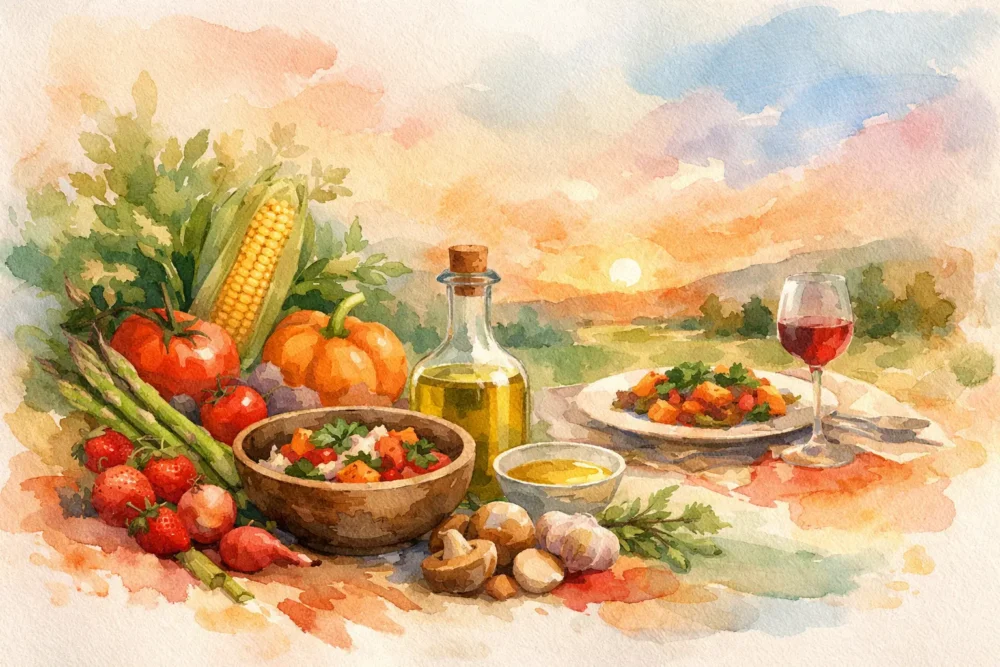
A sun-warmed tomato needs very little persuasion. At the height of summer, its flesh is sweet, its acidity is bright, and its aroma carries through a room when sliced. In winter, the same tomato may require roasting, seasoning, and patient technique to become memorable. This is the heart of how seasonal ingredients improve flavor: cooking begins with an ingredient at its most expressive, then gives it the thoughtful treatment it deserves.
For an elegant meal, seasonality is not a passing trend or a decorative phrase on a menu. It is a discipline of attention. It asks a chef to notice what is at its peak, to adjust a dish when a harvest shifts, and to know when simplicity says more than excess. The result is food with greater clarity, balance, and a sense of place.
Why Seasonal Ingredients Taste More Complete
Seasonal produce is often harvested closer to its natural peak of ripeness. That timing matters. As fruits and vegetables mature, they develop sugars, acids, aromatic compounds, and texture in proportion to one another. A just-picked peach is not merely sweeter than one picked early for travel. Its perfume is fuller, its juice more vivid, and its gentle tartness keeps the sweetness from becoming heavy.
The same principle applies across the kitchen. Spring peas have a tender, grassy sweetness that fades quickly once their season passes. Autumn squash becomes richly nutty after time in the field. Winter citrus brings a welcome tension of brightness and bitterness when the palate is ready for it. These ingredients do not need to be made interesting. They arrive with character.
There is also a practical advantage to working with ingredients that have not spent unnecessary time in storage or transit. While careful handling can preserve quality, delicate flavor and texture inevitably change over time. Herbs lose their lift. Greens soften. Berries become less fragrant. A seasonal ingredient from a trusted source gives the kitchen a stronger starting point, and a stronger starting point allows for more precise cooking.
How Seasonal Ingredients Improve Flavor Through Contrast
The finest dishes do not rely on one dominant note. They create contrast – richness against acidity, crispness against silkiness, warmth against freshness. Seasonal ingredients make those relationships easier to achieve because their natural qualities are more pronounced.
Consider early spring. Delicate asparagus, tender greens, fresh herbs, and young onions bring a clean, verdant edge to the plate. They can temper the richness of butter-poached seafood, a softly cooked egg, or a creamy sauce without making the dish feel severe. A squeeze of lemon may be all that is needed when the ingredient itself already has vitality.
Summer invites a different kind of composition. Ripe tomatoes, peppers, stone fruit, zucchini, and basil carry sweetness and perfume that pair beautifully with briny olives, aged cheese, grilled fish, or a cool glass of white wine. The chef’s task is often restraint. A tomato salad with impeccable olive oil, sea salt, and herbs can be more compelling than an overly assembled preparation because the season has already done much of the work.
By autumn, the kitchen can lean into depth. Mushrooms, figs, grapes, apples, squash, and root vegetables welcome roasting, caramelization, and warm spice. They stand comfortably beside duck, lamb, game, and fuller-bodied wines. Winter follows with its own quiet elegance: citrus, fennel, chicories, leeks, cabbage, and hearty legumes bring bitterness, brightness, and structure to dishes that might otherwise become too rich.
This is why a seasonal menu feels balanced without appearing calculated. The ingredients naturally answer one another.
Technique Should Clarify, Not Conceal
French and Mediterranean cooking offers an especially graceful framework for seasonal ingredients because both traditions value product, proportion, and craft. A sauce may be reduced until it has depth and gloss, but it should still allow the central ingredient to be recognized. A fish may be perfectly seared, yet remain delicate. Vegetables may be composed with great care, yet retain their own color, texture, and voice.
At René at Tlaquepaque, this approach suits the rhythm of an intimate dining experience. A composed plate should feel considered, not crowded. It should offer refinement without asking the guest to decode it. When ingredients are in season, the kitchen can use fewer competing elements and create greater impact through exact seasoning, temperature, and texture.
That does not mean every seasonal ingredient should be served raw or simply grilled. Some require transformation. A late-summer pepper becomes more complex when charred and peeled. A winter pear may reveal its best self when gently poached with wine and spice. A spring artichoke benefits from patient trimming and careful braising. Seasonality provides the promise; technique fulfills it.
The Pleasure of Anticipation
One of the quieter pleasures of seasonal dining is that it restores anticipation. When every ingredient is available at all times, a menu can begin to feel detached from the calendar. There is no particular reason to look forward to the first asparagus, the brief arrival of local figs, or the return of deeply flavored citrus.
A seasonal menu gives each ingredient its moment. That moment may be short, which is part of its appeal. The first sweet corn of summer feels more generous because it cannot be taken for granted. A winter dessert centered on blood orange has a certain drama precisely because its season will pass.
For diners, this creates a more memorable relationship with a meal. The dish becomes tied not only to its flavors, but also to an evening, a setting, and a time of year. A cool courtyard dinner with summer fruit and rosé has a different emotional register than a candlelit autumn meal of roasted mushrooms and Burgundy. Both can be beautiful. Neither needs to imitate the other.
Seasonality Is Not a Rigid Rule
Seasonal cooking is not an argument against the pleasures of global trade or the ingredients that define beloved culinary traditions. Fine olive oil, spices, chocolate, coffee, dry-aged cheeses, and many pantry staples are not governed by a local harvest calendar. Nor does every climate offer the same abundance in every season. Sedona’s high-desert setting calls for intelligence and flexibility, not performative strictness.
The distinction lies in priorities. A thoughtful kitchen does not force a pale, out-of-season berry into a dessert when citrus, apples, or pears are more compelling. It also recognizes that an exceptional ingredient from another region may be worth celebrating when it arrives in beautiful condition. Seasonality is less about drawing a narrow geographic boundary and more about respecting each ingredient’s best expression.
Weather also shapes the menu. A late frost may shorten an herb harvest. Intense heat can change the pace of ripening. A chef who works seasonally must be prepared to adapt, sometimes quickly. That responsiveness is a mark of care, not inconsistency. The menu remains alive because it is paying attention.
What Guests Can Taste at the Table
The difference often appears in details that are difficult to manufacture. A salad tastes cleaner because its greens are crisp and gently bitter. A vegetable garnish earns its place because it has real sweetness and texture. A fruit dessert feels lighter because the fruit carries enough flavor to balance pastry cream, butter, or chocolate.
Seasonality also changes how wine and cocktails meet the food. Bright spring dishes welcome mineral whites, restrained sparkling wines, and herbaceous cocktails. The deeper flavors of fall can make room for earthier reds, amaro, warm spice, and orchard fruit. Pairing becomes less about following rules and more about extending the mood of the plate.
A memorable dinner is rarely memorable because it is complicated. It is memorable because each element feels intentional: the ingredient at its peak, the cooking exact, the wine well chosen, and the conversation allowed to unfold at an unhurried pace. The next time a menu offers the first peas of spring or the last figs of summer, let the season choose for you. It is often the most delicious decision at the table.