

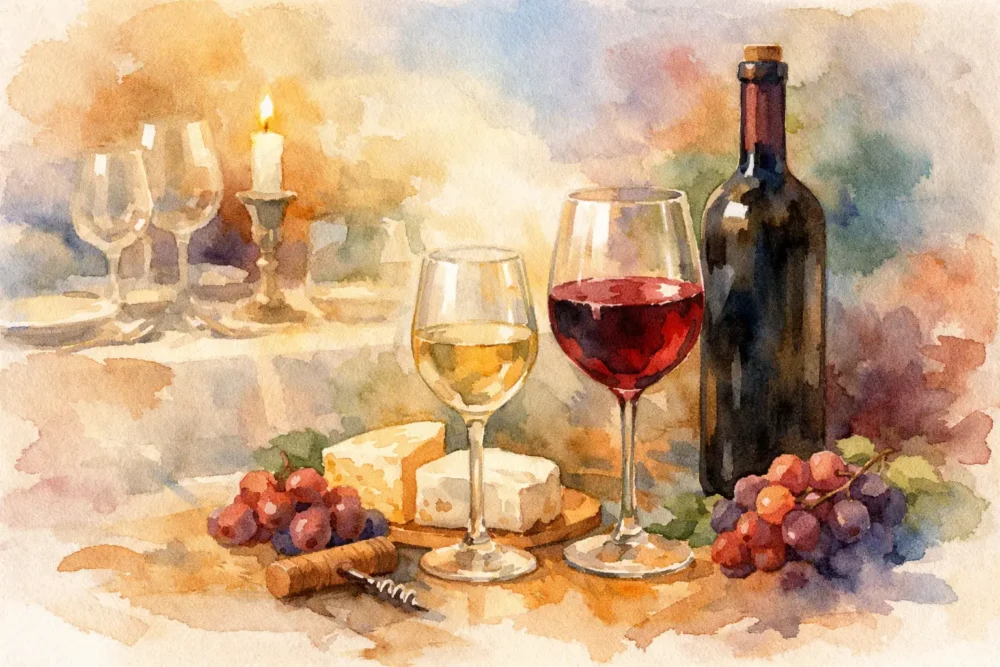
The first sip sets the pace. Before a plate arrives, a well-chosen bottle can soften the edges of a long day, invite conversation, and place the evening in a more generous frame. A thoughtful wine list is not simply a catalog of labels or a measure of prestige. It is part of the hospitality: a considered collection designed to complement the kitchen, the season, and the occasion at hand.
For an intimate French Mediterranean dinner, wine should feel like an extension of the table. It may bring brightness to a delicate first course, structure to a richly prepared entrée, or a final, honeyed note alongside dessert. The finest lists make those possibilities feel inviting rather than intimidating.
A Wine List Should Reflect the Cuisine
A meaningful cellar begins with the food. French Mediterranean cooking holds a particular affinity for wines with freshness, texture, and restraint. Olive oil, herbs, citrus, seafood, garden vegetables, lamb, duck, and slow-built sauces all ask different questions of the glass.
A crisp white with mineral character can heighten the clarity of a seafood preparation without eclipsing it. A rosé with dry, savory notes may be as compelling beside a composed lunch as it is on a warm Sedona evening. For deeper flavors, an elegant red with measured tannin can meet roasted meats and concentrated sauces while preserving the detail of the dish.
This does not mean every pairing must follow a rule. A full-bodied white may offer more pleasure than a red with a gently spiced poultry course. A mature red may be exactly right for a celebratory meal, even when the classic answer suggests otherwise. The point is intention. Each selection should offer a reason to linger over the plate, not compete for attention.
Balance Matters More Than Size
An extensive wine list can be exciting, but length alone does not create distinction. A list of modest scale, selected with discernment and cared for properly, often serves diners more beautifully than a sprawling collection with no clear point of view.
Balance is found across regions, styles, and prices. France deserves a prominent place beside French-inspired cuisine, from Champagne and Burgundy to the Rhône, Loire Valley, Provence, and Bordeaux. Yet a Mediterranean sensibility naturally welcomes wines from Italy, Spain, and coastal California, along with expressive bottles from other respected growing regions.
Variety also matters within a category. One Chardonnay cannot speak for every white-wine drinker, just as one Cabernet Sauvignon cannot answer every red-wine occasion. A complete selection creates room for the guest who prefers lean and mineral whites, aromatic varieties, supple Pinot Noir, savory Old World reds, or a more generous New World expression.
Price should be approached with the same care. A memorable bottle is not defined by its cost. A gracious list offers approachable wines of character alongside rare or cellar-worthy selections for milestones, private celebrations, and evenings that call for something exceptional.
The Pleasure of Wines by the Glass
By-the-glass offerings deserve the same attention as the bottle list. They are often the most useful path for a couple with different preferences, a guest enjoying a leisurely lunch, or a dinner built around several courses.
The strongest programs go beyond safe, familiar choices. They include wines with enough personality to make a single glass feel complete, while remaining versatile at the table. Fresh sparkling wine, a textured white, a pale and dry rosé, a lighter red, and a fuller selection provide a natural arc through a meal.
Proper preservation is essential. Even an excellent wine loses its charm when it has been open too long. Fine dining is built on details guests may not see, and the condition of a by-the-glass pour is one of them.
A Good Wine List Invites Discovery
The most rewarding lists offer both reassurance and discovery. Recognizable producers and classic regions give experienced guests a familiar reference point. Less expected selections create an opportunity to try something new without feeling that the evening has become an experiment.
This is where a knowledgeable server becomes invaluable. The best wine guidance begins with listening: what the table plans to order, whether guests favor lighter or fuller styles, and how they hope the wine will feel. Some diners want a bottle with quiet elegance. Others want a celebratory Champagne, a structured red to follow a long conversation, or a sweet wine that turns dessert into its own occasion.
There is no need to know every appellation or grape variety before opening the list. A simple description is enough: “We enjoy dry white wines with bright acidity,” or “We would like a red that is elegant rather than heavy.” From there, service can make a precise, comfortable recommendation.
At René at Tlaquepaque, that exchange belongs to the experience. Wine service should feel attentive and informed, never performative. The goal is not to impress a guest with terminology. It is to place the right bottle on the table at the right moment.
Pairing Wine With the Pace of Dinner
A fine dinner is rarely improved by rushing toward the main course. The wine can help shape an unhurried progression, beginning with an aperitif and moving naturally through the menu.
Sparkling wine remains one of the most versatile ways to begin. Its brightness and texture awaken the palate, and its celebratory character suits an anniversary, a reunion, or simply a beautiful evening out. A vibrant white can carry the table through early courses, especially when the menu favors seafood, vegetables, or herbal accents.
As the meal deepens, a red may become the center of the table. Here, weight is only one consideration. Acidity, tannin, age, and aromatic complexity all influence how the wine meets the food. A graceful Pinot Noir may be more compelling with duck than a powerful Cabernet, while a Rhône blend can bring warmth and spice to lamb without feeling overly formal.
Dessert wine is often overlooked, which is precisely why it can be such a lovely final gesture. A small pour of Sauternes, late-harvest wine, Port, or another carefully chosen sweet selection can mirror fruit, pastry, chocolate, or cream while providing a sense of completion. The pairing works best when the wine is at least as sweet as the dessert, with enough freshness to keep the finish light.
Choosing a Bottle for the Occasion
The right choice depends as much on the evening as the entrée. For a first visit, a versatile bottle that works across several dishes is usually wise. For an anniversary, Champagne or an older vintage can lend ceremony without demanding attention. For a group, two bottles in contrasting styles often give the table more range and encourage an easy exchange of tastes.
It is also worth considering the setting. Sedona’s high-desert light, stone courtyards, and lingering evenings make wines with freshness especially appealing, though a fireside dinner may invite something deeper and more contemplative. Season matters as well. The ideal bottle in summer may not be the one that calls from the list on a cool autumn night.
A wine list earns its place when it makes these choices feel pleasurable. It should honor classic standards while leaving room for surprise, offer confidence without rigidity, and support the chef’s work without overshadowing it. Choose the bottle that suits the people across the table, allow the meal its natural pace, and let the evening become more than a reservation.