

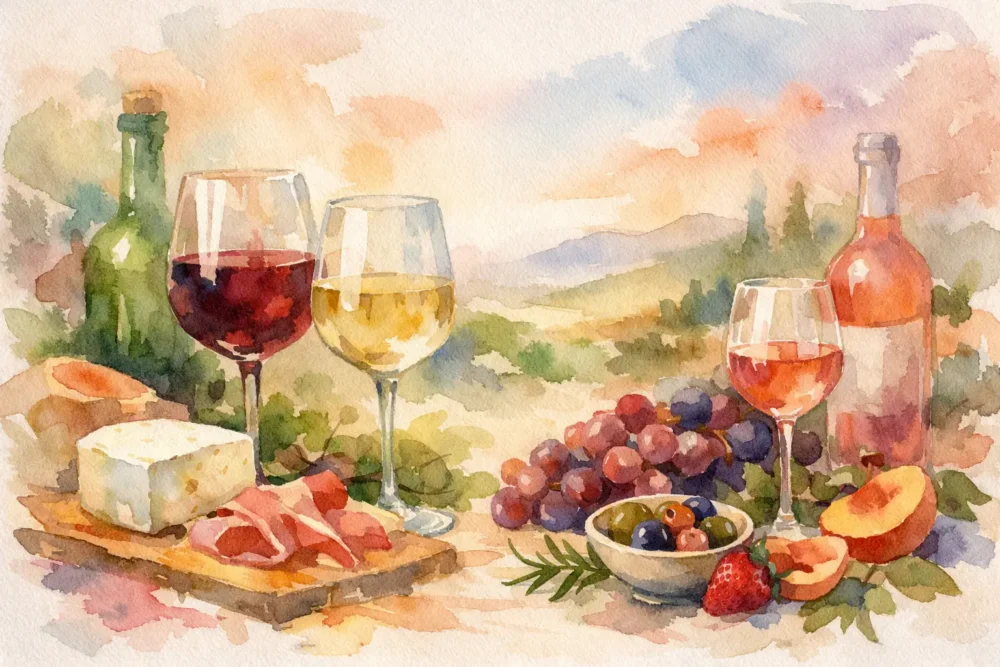
A beautifully prepared dish deserves more than a wine chosen by color alone. Knowing how to choose wine pairings begins with paying attention to the details that give a meal its character: the brightness of a lemon beurre blanc, the silkiness of a slow-braised sauce, the savor of herbs warmed in olive oil. The right bottle does not compete for attention. It gives each bite a longer, more expressive finish.
For an intimate dinner, wine pairing is also part of the setting. A thoughtful glass slows the pace, invites conversation, and makes an already memorable course feel complete. There are useful principles to follow, but the most successful pairings leave room for preference, season, and the mood of the table.
How to Choose Wine Pairings by Flavor, Not Color
The familiar rule of white wine with fish and red wine with meat is a fine starting point, but it is not a complete answer. Sauce, preparation, seasoning, and texture often matter more than the protein itself. A grilled swordfish with romesco may welcome a supple, medium-bodied red, while roast chicken in a delicate cream sauce may be more graceful with a structured white.
Begin by asking what dominates the plate. Is it bright and citrus-driven? Earthy and savory? Rich with butter, cream, or slow-cooked juices? Sweetly spiced? The wine should either echo that central character or provide a pleasing contrast.
A crisp white with lively acidity can mirror the freshness of shellfish, garden herbs, and vinaigrettes. A wine with a rounded texture can meet the softness of cream sauces, roasted poultry, or delicate mushrooms. With a deeply seared steak or lamb dish, tannin and dark fruit often feel natural because they stand comfortably beside the dish’s richness and char.
Color is simply one clue. Structure is the better guide.
Let Acidity Create Balance
Acidity is one of wine’s most useful qualities at the table. It refreshes the palate after a rich bite and brings definition to food that might otherwise feel heavy. This is why vibrant whites are so compelling with oysters, scallops, goat cheese, and dishes finished with citrus or tomato.
A useful rule is to choose a wine that is at least as bright as the food. A tart vinaigrette, a tomato-based seafood preparation, or a lemon-forward sauce can make a low-acid wine seem flat. In contrast, a mineral-driven Sauvignon Blanc, dry Riesling, or elegant Chablis can hold its own and restore a sense of lift.
Acidity is not reserved for white wine. Lighter reds such as Pinot Noir, Barbera, and certain Grenache-based wines can bring freshness to duck, salmon, mushrooms, and Mediterranean vegetable dishes. Their brightness makes them especially appealing when a plate carries both savory depth and a touch of acidity from fruit, wine, or herbs.
Match Weight and Texture With Intention
Think of wine and food as sharing the same stage. A delicate wine beside a powerful dish can disappear; a monumental wine beside a subtle course can overwhelm it. Matching weight creates a more harmonious experience.
Light-bodied wines suit refined, gently flavored dishes. Consider a dry Provençal rosé with a composed lunch of seasonal vegetables, seafood, and olive oil, or a lean white with simply prepared fish. Medium-bodied wines have a generous range, pairing beautifully with roast chicken, pork tenderloin, lobster, saffron, and dishes that carry a touch more sauce or spice.
Full-bodied wines belong with substantial flavors: braised short ribs, rack of lamb, duck breast, aged cheeses, and slow-cooked preparations with concentrated jus. Yet body alone is not enough. A tannic Cabernet may be splendid with a pepper-crusted steak, but it can make a tender white fish taste metallic or austere. The goal is not to choose the boldest wine available. It is to find the wine whose weight feels proportionate to the plate.
Texture deserves equal consideration. Creamy foods often shine beside wines with acidity, while crisp fried dishes benefit from sparkling wine’s fine bubbles and cleansing effect. Silky preparations may call for wines with supple tannins and a polished mouthfeel rather than something angular or aggressively dry.
Consider Sweetness, Salt, and Spice
Sweetness can be one of the easiest pairing elements to overlook. When food has a sweet component, such as caramelized onions, ripe stone fruit, honey, or a fruit reduction, the wine should not be dramatically drier than the dish. Otherwise, the wine can taste bitter or sharp.
A lightly off-dry Riesling can be lovely with warm spices, aromatic herbs, and dishes that carry a subtle sweetness. For a richer dessert, the wine should generally be at least as sweet as the final course. A late-harvest selection, Sauternes-style wine, or a carefully chosen fortified wine can bring elegance to fruit tarts, crème brûlée, and chocolate, depending on the dessert’s intensity.
Salt works differently. Salty foods can soften tannin and make sparkling wine seem even more refreshing. This is why sparkling wines are so versatile with hors d’oeuvres, caviar, fried preparations, and aged cheese. Their brightness brings clarity without asking the food to become something it is not.
With spice, avoid excessive alcohol and firm tannin. Both can amplify heat. Look instead for aromatic whites, rosé, or fruit-forward reds served with a slight chill. The pairing should cool and perfume the palate, not turn a gentle warmth into a challenge.
Choose Wine Pairings for the Whole Meal
A multi-course dinner asks for progression. The first wine should awaken the appetite rather than exhaust it. Sparkling wine, a crisp white, or a pale rosé offers a poised beginning with canapés, seafood, or lighter first courses.
As the meal becomes more substantial, the wines may gain texture and depth. A graceful white Burgundy or Rhône blend can bridge the space between seafood and poultry. A refined Pinot Noir can carry a table from mushrooms and duck to lamb prepared with restraint. Save the most powerful reds for the course that truly calls for them, rather than opening with them out of habit.
Dessert deserves its own consideration. A dry red lingering beside a sweet final course often feels severe. A small pour of a sweet wine, a digestif, or even a carefully composed coffee service may offer a more polished conclusion.
When one bottle must serve several dishes, versatility matters. Champagne, dry rosé, Pinot Noir, and balanced white blends are often more accommodating than highly oaked or intensely tannic wines. A flexible choice may be more satisfying than a technically perfect match for only one course.
Let the Occasion Shape the Selection
Wine pairing is not only an exercise in flavor. It is an expression of occasion. An anniversary dinner may invite a bottle with age, ceremony, and a story worth lingering over. A relaxed afternoon in Sedona may call for a bright white or rosé that complements the light and the courtyard air. A winter evening often welcomes wines with warmth, spice, and savory complexity.
Seasonal ingredients offer a reliable cue. Spring peas, asparagus, fresh herbs, and delicate seafood favor wines with freshness and energy. Summer tomatoes, grilled vegetables, and Mediterranean seafood enjoy rosé, coastal whites, and lighter reds. Autumn mushrooms, squash, and duck suit earthier wines, while winter braises invite deeper reds or textured whites with enough substance to meet the dish.
At René at Tlaquepaque, the most memorable pairings are often those that honor both the kitchen’s French Mediterranean sensibility and the unhurried rhythm of the evening. A sommelier or knowledgeable server can be particularly valuable when a dish includes several elements that pull in different directions.
Trust Your Palate, Then Refine It
Personal preference remains part of every successful pairing. If you adore Pinot Noir, there is no reason to abandon it simply because a chart suggests another choice. Instead, select a style of Pinot with the right weight and fruit profile for the dish. If you prefer white wine with steak, choose one with texture, freshness, and enough presence to stand beside the preparation.
The most helpful way to learn is to notice what changes from sip to bite. Does the wine make the food taste brighter? Does it soften a sauce, emphasize a herb, or clear the palate for the next taste? A good pairing creates a small moment of surprise, where both the glass and the plate become more interesting together.
Choose with attention, ask for guidance when the menu is complex, and allow the evening to unfold at its own pace. The finest pairing is the one that makes you pause, take another sip, and look forward to the next course.