

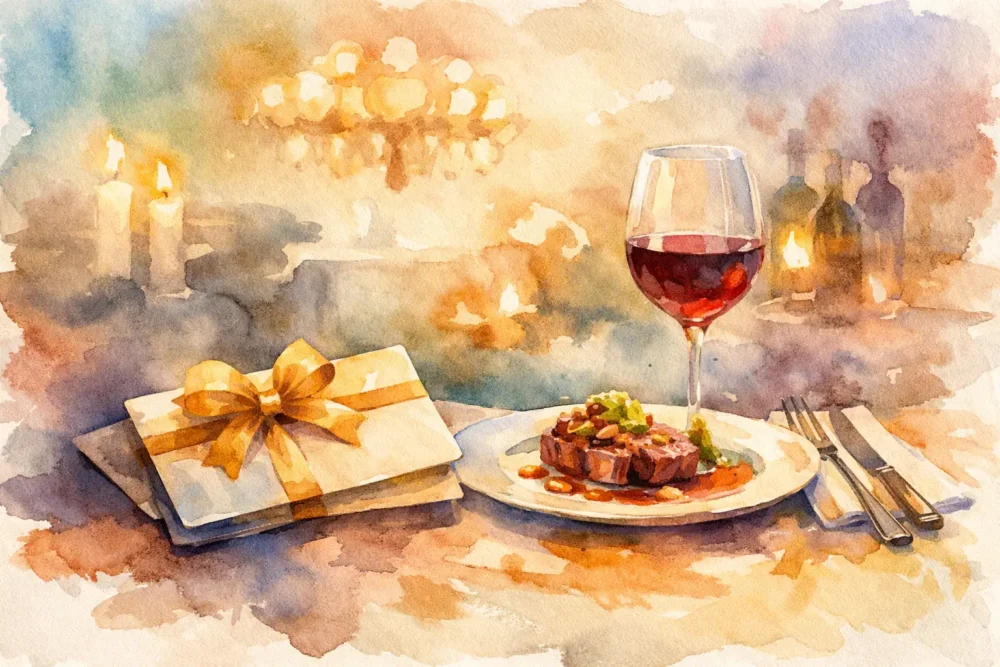
Some gifts ask the recipient to store, wear, assemble, or politely pretend to love them. Gift cards for fine dining ask for something far more appealing – an evening set aside for pleasure, conversation, and a beautifully prepared meal. That distinction matters, especially when the occasion calls for more than a generic gesture.
A fine dining gift card is not simply a convenient choice for the giver. At its best, it is an invitation into a certain kind of experience – one defined by setting, pacing, craftsmanship, and care. For couples, travelers, and those marking a meaningful moment, that kind of gift often feels more personal than an object chosen in haste.
What makes gift cards for fine dining different
Not every restaurant gift card carries the same meaning. A casual meal can be useful. A fine dining experience feels considered.
The difference begins with intention. Fine dining is built around details that go beyond food alone. Lighting, service, wine guidance, plating, quiet, timing, and the tone of the room all shape the memory. When someone gives a gift card to a refined restaurant, they are not merely paying for dinner. They are offering the recipient a chance to step into an atmosphere designed for presence.
That is why these gifts are so well suited to anniversaries, birthdays, engagements, thank-you gestures, and holiday giving. They suit occasions when the giver wants to say, this should feel special.
There is also a practical grace to them. Many people are difficult to shop for because they do not need more things. They may already have a full home, established tastes, and little interest in novelty for novelty’s sake. A thoughtfully chosen dining experience respects that reality. It offers enjoyment without clutter and pleasure without guesswork.
When a fine dining gift card feels most meaningful
Context shapes the impact of any gift. A fine dining gift card tends to resonate most when the recipient values experience, ambiance, and quality over quantity.
For couples, it creates a natural reason to pause and spend time together in a setting that encourages conversation. A well-appointed dining room has a way of changing the tempo of an evening. Phones stay tucked away longer. Courses arrive with rhythm. The meal unfolds rather than rushes by.
For travelers, the gift can become part of a destination itself. In places like Sedona, where scenery, architecture, and mood matter, dinner can become one of the defining memories of a trip. A carefully selected restaurant allows the recipient to experience a place through its hospitality as much as through its landscape.
For local guests, a gift card can offer permission to return to a favorite standard or finally book the reservation they have been meaning to make. Fine dining is often reserved for the right moment. A gift card helps create that moment.
There are, of course, occasions when a fine dining gift card may not be the perfect fit. If the recipient prefers casual settings, has very narrow dining preferences, or dislikes formal service, the experience may feel less natural. The best gifts reflect the person receiving them, not the tastes of the person giving them.
How to choose the right gift cards for fine dining
The smartest choice is not always the most famous restaurant. It is the one that matches the recipient’s sensibility.
Start with atmosphere. Some fine dining restaurants lean grand and ceremonial, while others feel intimate, romantic, and softly understated. Think about whether the recipient would prefer a lively urban room, a candlelit courtyard, or a quieter European-inspired setting where the evening unfolds at an unhurried pace.
Then consider cuisine. A gift becomes more compelling when the menu reflects real appetite. For some guests, that means classic steakhouse traditions. For others, it may be seafood, seasonal tasting menus, or French Mediterranean cooking that balances richness with elegance.
Service style matters too. Experienced diners often care as much about hospitality as the plate itself. They notice whether staff guide rather than interrupt, whether wine pairings feel informed, and whether the room allows intimacy rather than noise. A gift card attached to excellent service tends to feel more generous because the entire experience is elevated.
It is also wise to think about flexibility. Some gift cards comfortably cover lunch, dinner, wine, dessert, or a more elaborate prix fixe evening. Others may only offset a portion of the experience. That is not necessarily a problem, but it helps to choose an amount that aligns with the restaurant’s style and price point so the gift feels abundant rather than partial.
The emotional value behind the experience
A fine dining gift card carries emotional weight because it gives shape to time. That may sound simple, but it is increasingly rare.
Most people move quickly through their week. Meals are often functional, efficient, and interrupted. Fine dining pushes gently against that pattern. It asks guests to slow down, notice detail, and enjoy a level of care they may not allow themselves on an ordinary evening.
That is why these gifts often linger in memory longer than material items. A guest may forget another wrapped object by next season. They are less likely to forget the table by the window, the first sip of champagne, the dessert ordered for celebration, or the feeling of being genuinely looked after.
This is especially true when the restaurant understands that hospitality is not performance. The strongest fine dining experiences are calm, confident, and attentive. They do not overwhelm the guest with theatrics. They create a sense of ease. That quiet assurance is part of what makes a gift feel elevated.
At René at Tlaquepaque, for example, the appeal lies not only in the cuisine but in the setting itself – romantic, polished, and intentionally removed from the ordinary pace of the day. That combination is precisely what many gift givers are hoping to offer.
Are gift cards for fine dining too impersonal?
That concern comes up often, and the answer depends on how the card is chosen and presented.
A generic card purchased without thought can feel transactional. A restaurant selected because it suits the recipient’s taste, anniversary plans, travel itinerary, or shared memories feels highly personal. The difference is not the format. It is the intention behind it.
Presentation helps. A brief handwritten note can transform the gift entirely. Instead of simply giving spending power, you are framing an experience. You might mention a toast to an anniversary, a deserved night out after a demanding season, or the pleasure of lingering over dessert in a beautiful setting. Those few lines give emotional context to the gift.
This is where fine dining has an advantage over more general experience gifting. It is specific enough to feel curated, yet flexible enough to let the recipient enjoy the evening in their own way. They can choose lunch or dinner, keep the evening simple, or turn it into a more celebratory occasion.
Why these gifts endure
Trends in gifting come and go. Experiences remain persuasive because they meet a deeper desire. People want beauty, attention, and time that feels set apart from routine.
Gift cards for fine dining answer that desire with unusual clarity. They are elegant without being excessive, practical without feeling ordinary, and generous without requiring the giver to guess sizes, colors, or personal preferences. They work because they offer access to something many people value but do not always choose for themselves – an evening marked by intention, setting, and craft.
For those who appreciate refined hospitality, a memorable dining room, and food prepared with discipline and care, this kind of gift rarely feels like an afterthought. It feels like discernment.
And that is what makes it memorable. The best gifts do not simply arrive well. They alter the shape of an evening in the most welcome way.