

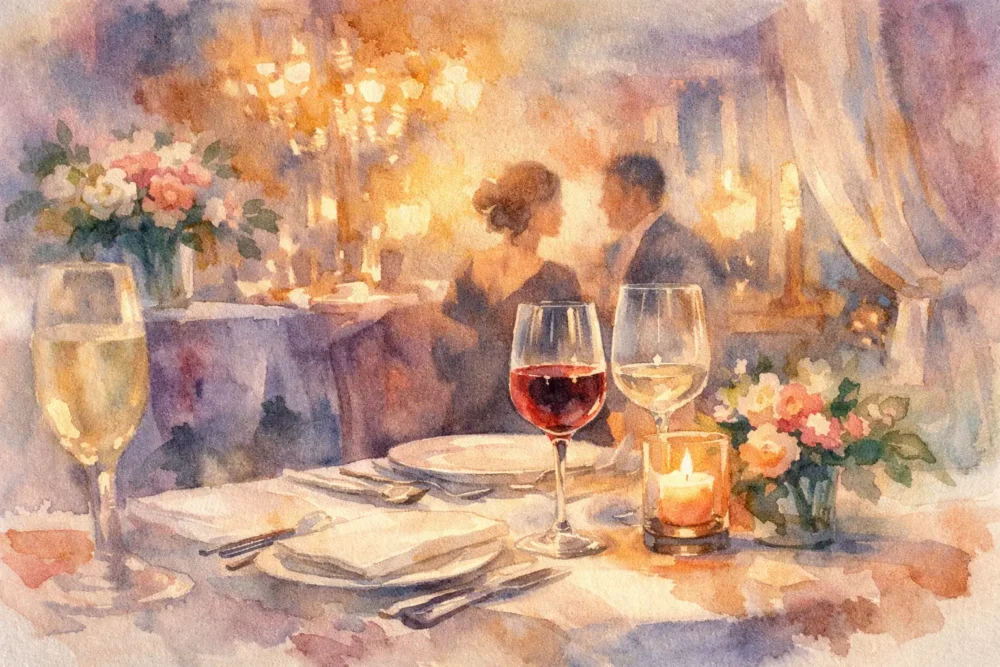
A special occasion dinner is rarely about food alone. When the evening marks an anniversary, birthday, engagement, reunion, or meaningful trip, the restaurant becomes part of the memory itself. That is why knowing how to choose a special occasion restaurant matters. The right choice creates ease, intimacy, and a sense that every detail was considered before the first glass is poured.
The mistake many diners make is choosing based on reputation alone. A restaurant can be popular, photogenic, or difficult to book and still be wrong for the moment you want to create. For a truly memorable evening, the experience should feel intentional from arrival to dessert, with the setting, service, and cuisine working in quiet harmony.
How to Choose a Special Occasion Restaurant Starts With the Mood
Before you compare menus or reservation times, decide what kind of evening you want. A birthday dinner with lively conversation may call for a different room and energy than a quiet anniversary meal. Some celebrations feel best in a vibrant dining scene. Others need calm, space, and an unhurried pace.
This is where atmosphere deserves more weight than many people give it. Lighting, acoustics, table spacing, and overall tone shape the evening as much as the meal. If you want romance, look for a setting that feels composed rather than crowded. If conversation is the point, a dining room that allows guests to actually hear one another matters more than a trendy address.
The most successful special occasion restaurants understand restraint. They do not overwhelm the guest with noise, rushed pacing, or visual clutter. Instead, they create a sense of occasion through elegance, comfort, and confidence.
Look Beyond the Menu
A menu may be the first thing you read, but it should not be the only thing you evaluate. Excellent ingredients and skilled cooking are essential, of course, yet a special occasion restaurant must offer more than a collection of appealing dishes.
Consider whether the menu feels suited to a celebratory meal. Is it thoughtfully composed? Does it suggest care, seasonality, and culinary point of view? A focused menu often says more about quality than an oversized one. When a restaurant offers a curated experience, whether through a prix fixe option, refined dessert program, or considered wine selection, it usually signals confidence in execution.
There is also the question of familiarity versus novelty. Some diners want comfort on an important night, choosing classic preparations they know they will enjoy. Others want discovery, with courses that feel distinctive and memorable. Neither instinct is wrong. The key is matching the menu to the person being celebrated and the tone of the evening.
If wine or cocktails are part of the occasion, look for a beverage program that feels integrated rather than incidental. A thoughtful pairing can elevate dinner from pleasant to memorable. The same is true of dessert. On special nights, the ending matters.
Service Should Feel Polished, Not Performative
One of the clearest signs that you have chosen well is service that puts everyone at ease. Fine dining should feel attentive and composed, not theatrical or intrusive. The best service anticipates needs, respects pacing, and understands when to engage and when to step back.
For a celebration, timing matters. Courses should arrive with rhythm, not hurry. A table should never feel forgotten, but it should also never feel managed. That balance is what allows guests to settle into the evening.
If you are deciding between restaurants, pay attention to signs of hospitality beyond the dining room. Is the reservation process clear? Does the restaurant communicate with professionalism? Are special requests handled with grace? These details often reflect how the evening itself will unfold.
This is especially important if the occasion carries emotional weight, such as a proposal, milestone anniversary, or dinner with out-of-town guests. In those moments, polished service is not a luxury. It is part of what protects the experience from feeling improvised.
Consider Whether the Setting Feels Worthy of the Occasion
A special occasion restaurant should feel distinct from an ordinary night out. That does not always mean formal in a rigid sense, but it should feel elevated. Architecture, interior design, outdoor spaces, and the sense of arrival all contribute to that impression.
Often, guests remember the setting with surprising clarity. They remember a candlelit table, a quiet courtyard, a beautifully set dining room, or the way the room seemed to slow the pace of the evening. These environmental details have real value because they shape emotion before the first course arrives.
When choosing, ask yourself a simple question: does this place feel like somewhere you would want to linger? If the answer is yes, you are probably close to the right fit. A special dinner should invite you to stay present rather than glance at the clock.
In a destination market such as Sedona, setting can become even more important. Visitors often want the meal to reflect the beauty and intention of the trip itself. In that context, a restaurant with a genuine sense of place can become one of the highlights of the visit rather than just a reservation on the itinerary.
How to Choose a Special Occasion Restaurant for Different Celebrations
Not every special occasion asks for the same experience. An anniversary often benefits from intimacy, subdued lighting, and a slower progression of courses. A birthday dinner may support a slightly more social mood, especially if the party is larger. A vacation dinner might call for something distinctly local in setting, even if the cuisine itself is classical and refined.
Group size changes the calculation as well. A dinner for two depends heavily on ambiance and service cadence. A dinner for six or eight introduces different needs, including table comfort, menu flexibility, and how well the restaurant handles celebrations without losing elegance.
There is also a practical distinction between a restaurant that is ideal for a meaningful dinner and one that is better suited to a private event. If the celebration involves speeches, gifts, or a broader guest list, private dining options may be more appropriate than a standard reservation.
The occasion should guide the choice, not the other way around. A restaurant can be excellent and still not be the best stage for your particular evening.
Reputation Matters, but Specificity Matters More
Reviews and recommendations can be useful, but broad praise is not enough. Look for comments that speak to the qualities you actually value: quiet atmosphere, attentive service, beautifully timed courses, romantic setting, or excellent wine guidance. Those details are more revealing than generic statements about a place being “amazing.”
Photos can help, though they should be read carefully. Some dining rooms photograph well but feel hectic in person. Others appear understated online and are far more beautiful once you arrive. When possible, trust signs of consistency. A long-standing restaurant with a clear point of view often offers more reliability than a newer place still trying to define itself.
For guests seeking a refined, romantic dinner in Sedona, that consistency is often what turns a good meal into a tradition. Restaurants that understand occasion dining tend to show it in every detail, from the reservation experience to the final course. René at Tlaquepaque is one example of that kind of deliberate atmosphere, where setting and craft are treated as part of the meal itself.
Practical Details Still Matter
Even the most beautiful restaurant can disappoint if the logistics feel strained. Reservation availability, parking, dress expectations, dietary accommodations, and the length of the dining experience all deserve consideration.
If the evening includes a concert, a sunset plan, or travel timing, choose a restaurant whose pacing aligns with your schedule. On the other hand, if dinner is the entire event, it is worth choosing a place that allows the night to unfold slowly. Rushing through a special meal rarely feels luxurious.
Budget matters too, and honesty serves the occasion well. A higher price can be worthwhile when it reflects superior ingredients, gracious service, and a memorable setting. But price alone does not create value. The best choice is the one where the experience feels proportionate to the moment you are celebrating.
It is also wise to mention the occasion when booking. A well-run restaurant does not need to turn the evening into a spectacle, but knowing the context allows the staff to pace and guide the experience with greater care.
Choose the Place That Feels Intentional
At its best, a special occasion restaurant does more than serve dinner. It shapes the emotional tone of the evening. It gives the celebration a setting equal to its significance, with beauty, calm, and craftsmanship expressed in ways both obvious and subtle.
If you are weighing several options, choose the restaurant that feels most aligned with the memory you want to create, not just the one with the loudest reputation. The right room, the right pace, and the right attention can turn a meal into one of the moments you speak about long after the plates are cleared.
A special evening deserves a restaurant chosen with the same care as the occasion itself.