

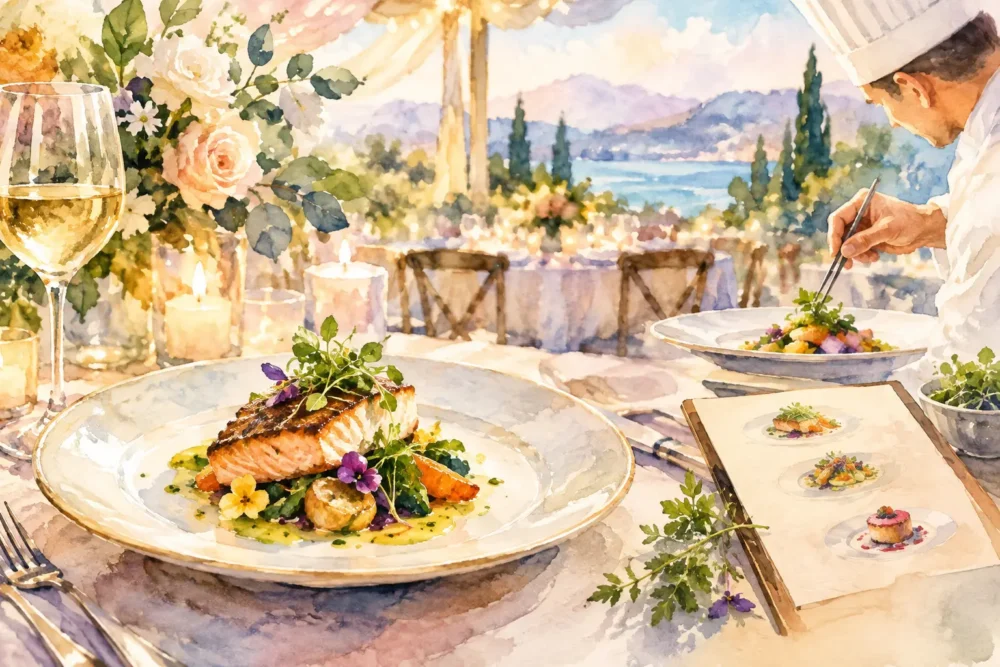
A private dinner should not feel like a standard reservation with a larger table. So, can events customize menus? Yes, when the occasion, guest count, season, and style of service call for it. A thoughtfully tailored menu gives a celebration its own character while protecting the precision, pacing, and culinary standards that make fine dining memorable.
At René at Tlaquepaque, a private event is shaped with the same attention given to an intimate evening for two: through setting, craft, and a measured sense of hospitality. The most successful custom menus do not try to offer everything. They create a graceful progression of flavors that feels personal to the hosts and effortless to their guests.
Can Events Customize Menus Without Losing Refinement?
They can, provided customization begins with a clear purpose. An anniversary dinner, rehearsal gathering, milestone birthday, and executive reception each ask something different of the table. The menu should reflect that distinction, whether through a seasonal first course, a favorite ingredient incorporated with restraint, or a wine pairing designed to carry the evening from welcome to dessert.
In a refined restaurant setting, customization is rarely about building a different entrée for every guest. That approach can interrupt service, dilute the chef’s vision, and make a beautifully paced dinner feel fragmented. Instead, the most elegant event menus offer intentional choices within a composed culinary framework.
A host may select a menu that highlights French Mediterranean traditions, choose between two main courses in advance, or request consideration for dietary needs. These decisions allow guests to feel cared for without placing the burden of too many choices at the table. The result is a dinner that remains relaxed, polished, and centered on conversation.
Begin With the Occasion, Not a List of Dishes
The menu is one expression of the evening, not the entire event. Before discussing courses, consider what the gathering should feel like when guests arrive and what you want them to remember afterward. A candlelit celebration for close friends may call for a slower, more intimate progression. A corporate dinner may benefit from concise courses and an earlier, dependable finish. A wedding-adjacent gathering may invite a more festive opening with Champagne, cocktails, and passed selections.
The season matters as well. Sedona’s light, landscape, and changing temperatures naturally influence what feels right on the table. Brighter preparations, garden herbs, and composed seafood dishes can suit a warm evening. Cooler months lend themselves beautifully to richer sauces, carefully prepared meats, and desserts with deeper notes of spice, fruit, or chocolate.
This is where a chef-led menu is especially valuable. Rather than forcing a preselected idea onto the kitchen, hosts can begin with their vision and allow the culinary team to translate it into dishes that are available, balanced, and appropriate for the occasion.
The Guest Experience Sets the Boundaries
A menu should suit the people gathered around it. For a group of experienced diners, a composed prix fixe menu may be the most elegant option, particularly when paired with wines selected course by course. For guests with varied preferences, a limited choice for the main course can offer reassurance while preserving the rhythm of service.
Dietary accommodations deserve the same care as every other detail. Vegetarian, vegan, gluten-sensitive, and allergy-related needs should be discussed early, ideally when the guest list begins to take shape. Advance notice gives the kitchen time to prepare alternatives that feel considered rather than improvised. It also helps the service team deliver each course discreetly, without turning a guest’s accommodation into a public moment.
How Custom Event Menus Are Best Planned
The finest private-event menus are developed through a focused conversation. The restaurant needs a few practical details: the preferred date and time, anticipated number of guests, nature of the occasion, desired format, and any dietary considerations. From there, the discussion can move naturally toward menu style, beverage service, and the setting that best supports the evening.
Guest count has real culinary consequences. A menu for a small dinner party can allow for greater intricacy and a more individualized presentation. A larger gathering benefits from dishes that can be prepared and served with consistency across every place setting. Neither is better by default. The distinction is simply one of execution.
Budget should be addressed candidly, too. A clear per-person range helps shape the right number of courses, the ingredients featured, and the level of wine or cocktail service. It is not a compromise in elegance. It is the foundation for a menu designed with confidence, rather than one adjusted late in the process.
For groups, a prix fixe format is often the most graceful choice. It gives the kitchen a clear plan, supports a measured pace, and ensures that each guest experiences the menu as it was intended. Where a choice is offered, collecting selections before the event is often preferable to taking orders at the table. That small step protects the atmosphere and lets the evening unfold without unnecessary interruption.
What Can Be Personalized
Customization can appear in quiet, meaningful ways. A couple celebrating an anniversary may choose a favorite wine to accompany dinner. A host may request a particular seasonal ingredient, a special dessert presentation, or a menu that leans toward the coast of the Mediterranean or the classic elegance of French technique.
A printed menu may also become part of the occasion, especially for a rehearsal dinner, birthday, or private celebration. The language should remain restrained and tasteful, but the date, names, or a simple message can transform the menu into a keepsake.
Beverage planning deserves equal attention. A single welcome cocktail creates an immediate sense of occasion, while a curated wine pairing adds dimension to a multi-course dinner. For some events, a carefully selected bottle service approach is more appropriate than pairings, allowing guests to linger with a wine they enjoy. The best choice depends on the formality of the gathering, the menu, and how much structure the host wants for the evening.
The Trade-Offs of Greater Customization
More customization is not always more luxurious. A menu with too many substitutions can lose its cohesion, and an overly broad selection can create delays that no elegant dining room can fully disguise. Fine dining relies on timing: the warmth of a plate, the finish of a sauce, the arrival of wine at the right moment, and the unhurried space between courses.
There are also limits shaped by seasonality and sourcing. A particular ingredient may not be at its best or may not be available in the quantity required for a group. In those moments, flexibility gives the chef room to offer something better rather than simply something familiar. Trusting the kitchen’s judgment is often what turns a good menu into a remarkable one.
The same is true of room atmosphere. Private events work best when the format respects the character of the restaurant. A sophisticated dinner can be celebratory without becoming loud or rushed. Guests are more likely to remember the glow of the courtyard, the detail of each course, and the pleasure of an uninterrupted conversation than an elaborate menu with too many competing ideas.
A Menu That Belongs to the Evening
The right event menu feels as though it could only have been served that night, for those guests, in that setting. It does not need novelty for its own sake. It needs a sense of proportion: a beautiful opening, ingredients at their height, attentive accommodations, and courses that arrive with quiet confidence.
When planning a private gathering, bring the restaurant a clear sense of the occasion and the people you hope to honor. Then leave room for culinary judgment, seasonal inspiration, and the kind of thoughtful service that allows everyone at the table to simply be present. That is where a customized menu becomes more than a meal. It becomes part of the memory.