

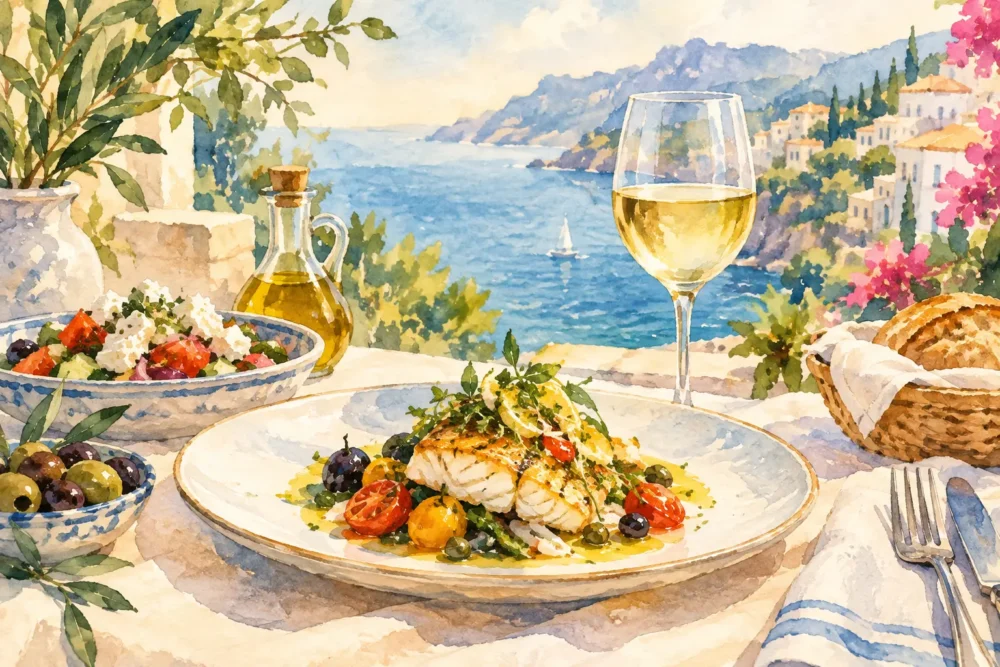
A dinner can be beautifully cooked and still feel ordinary. What is Mediterranean fine dining, then, if not simply an elevated version of familiar coastal flavors? It is the thoughtful composition of ingredient, technique, service, wine, and setting into one unhurried experience – a meal designed to be remembered well after the last course.
For diners drawn to the Mediterranean, the appeal begins with clarity. Olive oil, citrus, herbs, seafood, market vegetables, lamb, wine, and sun-ripened fruit are not hidden beneath excess. In a fine dining setting, they are handled with precision and presented with a sense of occasion. The result is generous without being heavy, refined without feeling remote.
What Is Mediterranean Fine Dining?
Mediterranean fine dining is a polished, chef-driven interpretation of the cuisines surrounding the Mediterranean Sea. Rather than belonging to one country alone, it draws inspiration from the culinary traditions of southern France, Italy, Spain, Greece, and the coastal regions of North Africa and the Levant. Each has its own identity, but they share a respect for seasonality, balance, and the intrinsic character of excellent ingredients.
The fine dining distinction lies in the discipline behind the plate. A restaurant may serve grilled fish, for example, but fine dining asks more of the dish: Is the fish impeccably sourced and cooked at the precise moment? Does a fennel or citrus accompaniment sharpen its natural richness? Does the sauce support rather than overwhelm? Is the wine selected to extend the flavors of the course?
This attention is felt beyond the kitchen. Fine dining includes gracious, informed service; a carefully composed dining room; polished glassware and linens; and pacing that allows guests to settle into the evening. The experience should feel considered, not ceremonial for its own sake.
A Cuisine Defined by Restraint and Season
Mediterranean cooking is often described as simple, but simplicity is demanding. When a dish relies on a few ingredients, each one must be worthy of its place. A ripe tomato needs little more than fine olive oil, salt, and perhaps basil to be compelling. A properly prepared scallop can carry a course when paired with a bright reduction, tender greens, or a subtle herb oil.
Seasonality gives this cuisine its rhythm. Spring may bring peas, artichokes, asparagus, and delicate herbs. Summer favors stone fruit, tomatoes, eggplant, and peppers. In cooler months, the menu can turn toward braised meats, wild mushrooms, citrus, squash, and deeply savory sauces. A skilled kitchen lets these shifts guide the menu rather than forcing the same dishes onto every season.
This is also why Mediterranean fine dining rarely depends on spectacle alone. There may be intricate plating, but the most persuasive plates retain a sense of ease. The diner should recognize the ingredient and understand the harmony of the dish, even when the preparation reveals considerable technical skill.
The French Mediterranean Influence
French technique brings another dimension to Mediterranean ingredients. It introduces the rigor of classical sauces, precise knife work, careful roasting, controlled reductions, and composed plating. The cuisine of Provence and the Côte d’Azur, in particular, demonstrates how French culinary craft can remain light-filled and expressive: seafood with saffron, vegetables with garlic and herbs, meats accented by olives or preserved lemon, and desserts that balance fruit with cream, pastry, or custard.
At its best, French Mediterranean cooking feels neither overly formal nor overly rustic. A velvety sauce may be present, but it is calibrated. A rich duck or lamb preparation may be balanced by bitter greens, acidity, or a fragrant herb. Butter has a place, as does olive oil. The point is not to choose one tradition over another, but to create proportion.
The Difference Between Fine Dining and a Casual Mediterranean Meal
A casual Mediterranean restaurant can offer wonderful food. A simple mezze spread, wood-fired flatbread, or grilled branzino may be exactly right for a relaxed lunch or a lively table of friends. Fine dining serves a different purpose. It is designed for diners who want the meal, the room, and the evening to carry equal weight.
The distinction often appears in the details. Courses arrive at a measured pace rather than all at once. A server can describe the preparation with confidence and help guide wine or cocktail selections. Plates are composed with intention. The lighting and acoustics encourage conversation instead of competition with the room.
There is a trade-off, of course. Fine dining requires more time, attention, and investment than a quick meal. That is part of its value for an anniversary, a romantic evening, or a meaningful gathering. It creates room for anticipation between courses and for the table to become its own private occasion.
The Role of Wine, Cocktails, and Dessert
A complete Mediterranean fine dining experience considers the glass as carefully as the plate. Wine can heighten the saline character of shellfish, soften the savory depth of lamb, or frame the perfume of herbs and citrus. A mineral-driven white may suit a delicate fish course, while a structured red can meet a roasted meat dish with confidence. The best pairing is not always the most expensive bottle. It is the one that gives the food greater dimension.
Cocktails deserve the same restraint. Citrus, botanical notes, sparkling wine, fresh herbs, and well-chosen spirits can establish the tone of the evening without dulling the palate. An aperitif may create a graceful opening, while a carefully balanced after-dinner drink can carry the conversation beyond dessert.
Dessert should feel like a final gesture, not an afterthought. Mediterranean influences might appear through seasonal fruit, honey, pistachio, almond, olive oil, dark chocolate, or fragrant citrus. French pastry technique can bring structure and elegance, whether in a delicate tart, a custard, a soufflé, or a composed chocolate dessert. The ideal ending leaves an impression of generosity while preserving the meal’s balance.
Why Setting Matters as Much as the Menu
Fine dining cannot be separated from its setting. A room with visual calm allows the table to become the focus. Soft lighting, considered art, attentive spacing, and a composed service team create a sense of privacy even in a full dining room. For couples and travelers, this atmosphere often matters as much as a signature entrée.
In Sedona, the surroundings add a distinctive sense of place. A courtyard dinner can feel especially transportive as the desert light fades and the evening settles in. At René at Tlaquepaque, French Mediterranean cuisine meets a mature European-inspired setting, creating an intimate dining experience suited to celebrations and quiet, lingering conversations alike.
The atmosphere should never be mistaken for decoration alone. It changes how a meal is received. When the room is calm and the service is assured, guests have the space to notice the aroma of a just-poured wine, the texture of a perfectly prepared sauce, and the pleasure of being fully present at the table.
What to Expect When You Reserve
A Mediterranean fine dining reservation is best approached as an evening rather than an errand between other plans. Arrive with enough time to enjoy an aperitif. Let the menu invite questions. If you are celebrating, mention it when reserving so the service team can help shape the occasion with appropriate care.
Prix fixe menus can be especially rewarding for diners who enjoy a chef’s point of view. They create a progression of flavors that a la carte ordering may not reveal, often moving from lighter, brighter courses into greater depth before ending on a composed dessert. A la carte dining offers more flexibility, particularly when different appetites or preferences are at the table. Neither is inherently superior; the choice depends on whether you prefer discovery or control.
Dining with intention does not require expertise. Curiosity, an appreciation for good ingredients, and a willingness to linger are enough. Choose a course that interests you, ask for a pairing recommendation, and allow the evening to unfold at its natural pace. The finest Mediterranean meals make that pause feel not like time spent, but time well chosen.