

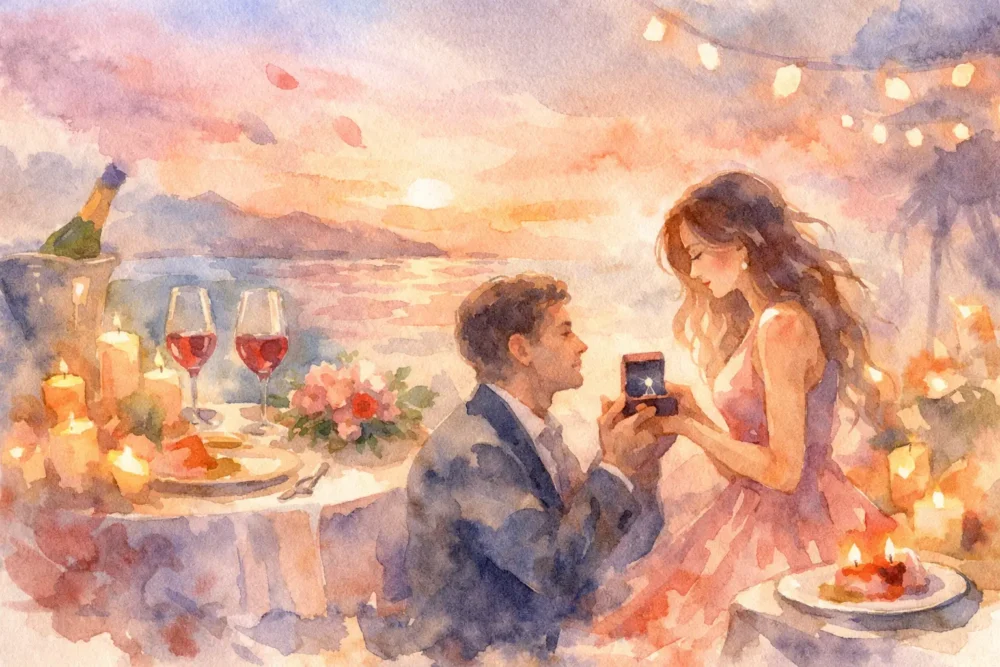
A proposal dinner is rarely remembered for one perfect line. It is remembered for the feeling in the room – the quiet anticipation, the candlelight, the pace of the evening, and the sense that every detail was chosen with care. If you are wondering how to plan proposal dinner in a way that feels elegant rather than staged, the answer begins with intention.
The best proposal dinners feel natural, but they are never accidental. They are thoughtfully built around your partner’s comfort, your shared style, and a setting that allows the moment to unfold without rush. A crowded bar, a noisy dining room, or a reservation squeezed between other plans can flatten what should feel singular. This is one occasion that benefits from restraint, timing, and a room that understands romance.
How to Plan Proposal Dinner With the Right Setting
The setting matters as much as the ring. A proposal asks for privacy, but not isolation. It should feel special without becoming theatrical, and refined without becoming stiff. That balance is often easiest to achieve in a restaurant designed for conversation, where service is polished and the atmosphere is already built for intimacy.
Look for a dining room with an unhurried pace, soft lighting, and enough space between tables to make the evening feel personal. Courtyard dining, candlelit interiors, and a mature, quiet ambiance all work in your favor. Fine dining is especially well suited to a proposal because the rhythm of the meal creates a natural sense of occasion. Courses arrive with intention. Wine is poured with care. Nothing feels rushed.
This is also where you should be honest about your partner’s preferences. Some people will love a grand romantic setting with visible ceremony. Others will want something understated and private. If your partner dislikes public attention, a lively restaurant where neighboring tables may notice the moment could feel uncomfortable. If they enjoy elegant social spaces, a beautiful dining room can heighten the experience. The best setting reflects them, not a generic idea of romance.
Start With the Evening, Not the Ring
Many people begin by thinking about the exact proposal moment, but the stronger approach is to design the entire evening. Ask yourself what you want the night to feel like from the first welcome to the final toast. Do you want it to be quiet and deeply personal, or celebratory and cinematic? Do you imagine a long dinner with wine pairings and dessert, or a shorter experience that leads into a walk afterward?
When you shape the full arc of the evening, your decisions become clearer. You can choose a reservation time that allows for sunset or candlelight. You can decide whether to propose before the meal, during dessert, or afterward. You can think about attire, transportation, and whether the two of you will want privacy immediately after.
This is where many proposals either become memorable or feel slightly disjointed. If dinner is simply a placeholder before the proposal, the evening can feel functional. If dinner is part of the proposal itself, the entire experience becomes richer.
Timing the Proposal During Dinner
There is no universal best time to propose during a meal. It depends on your partner, your comfort level, and the mood you want to create.
Proposing early in the evening allows both of you to relax and enjoy the rest of dinner in a celebratory mood. This can work beautifully if nerves are likely to overshadow the meal. It also makes sense if you know your partner will want time afterward to talk, call family, or simply sit with the moment.
Proposing between courses or at dessert can feel especially elegant because the anticipation builds gradually. This works well in a refined restaurant where pacing is part of the experience. The trade-off is that you may spend much of dinner distracted, waiting for the right moment. If you tend to show nerves easily, your partner may sense that something is coming.
Proposing after dinner offers the most privacy, especially if you plan to move to a scenic courtyard or quiet outdoor setting. That choice can feel deeply personal, though it places more pressure on whatever comes next. If weather, crowds, or logistics are uncertain, a well-timed proposal within the restaurant may be the steadier option.
The Reservation Is Part of the Plan
A proposal dinner should never rely on chance. Reserve well in advance, especially if you are planning around a weekend, holiday, or travel season. If the restaurant accepts special requests, note that you are celebrating an important occasion without turning the evening into a performance.
Discretion is essential. The staff should know enough to support the experience, but not so much that service becomes overly obvious. A well-managed restaurant can often help with table selection, pacing, and subtle coordination. Window tables, quieter corners, or courtyard seating are often worth requesting. If there is a particular table that feels more intimate, ask early.
If you plan to involve the ring at the table, think carefully. Hiding it in food or dessert is rarely as graceful as it sounds. It can interrupt the flow of the meal, create anxiety, or even feel unsafe. Keeping the ring secure on your person and choosing the moment yourself is almost always the better choice.
Choose a Menu That Supports the Mood
Food should add pleasure to the evening, not create stress. This is not the night to gamble on a restaurant that feels inconsistent or overly casual. A proposal dinner benefits from cuisine that is polished, beautifully presented, and suited to a leisurely pace.
Prix fixe dining can be particularly effective because it gives the evening shape. Courses unfold naturally, and there is less decision fatigue. Tasting menus, refined French or Mediterranean dishes, and a thoughtful dessert course all lend themselves to romance. Wine pairings or a favorite bottle can deepen the sense of occasion, provided both of you enjoy that style of meal.
Be mindful of practical details. Avoid menus that are overly messy, difficult to eat gracefully, or likely to cause discomfort if either of you is nervous. If your partner has dietary preferences or restrictions, make sure the restaurant can accommodate them comfortably. Luxury is not only about presentation. It is about ease.
For couples planning a destination proposal in Sedona, an intimate fine dining experience such as René at Tlaquepaque can offer the kind of calm, romantic setting that allows a meaningful moment to feel fully held by the evening.
What to Wear and What to Tell Your Partner
A proposal should feel surprising, but not disorienting. If your partner arrives underdressed for a refined dining room or confused about the tone of the evening, the mood can shift quickly. Give enough guidance that they feel confident and comfortable.
You do not need to reveal your plans. Simply frame the dinner as a special evening and suggest attire that fits the setting. If you are traveling, think ahead about whether your partner has packed something appropriate. If not, create a reason to shop or adjust the plan to suit what will feel natural.
Your own appearance matters as well. Fine dining has its own quiet language, and dressing with care shows respect for the occasion. This is less about formality for its own sake and more about signaling that the evening is meaningful.
Think Through the Details After the Yes
One of the most overlooked parts of how to plan proposal dinner is what happens next. The proposal itself may last a minute, but the emotional atmosphere afterward shapes the memory.
Decide whether you want to linger over dessert and Champagne, step outside for a few private moments, or return to your hotel for a quieter celebration. Some couples want to call family immediately. Others prefer to protect the first hour and keep it just for themselves. Neither is better. It depends on your relationship.
If photos matter, plan that discreetly rather than improvising under pressure. If you want the moment documented, coordinate in advance. If you know your partner values privacy, skip the production and let the memory stay beautifully yours.
A proposal dinner succeeds when it feels considered from beginning to end. Not extravagant for the sake of appearance, and not overloaded with gestures. Just clear intention, a gracious setting, excellent food, and enough stillness for two people to hear the significance of the moment. When the evening is built with that kind of care, the question does not need embellishment. The setting has already said what matters.