

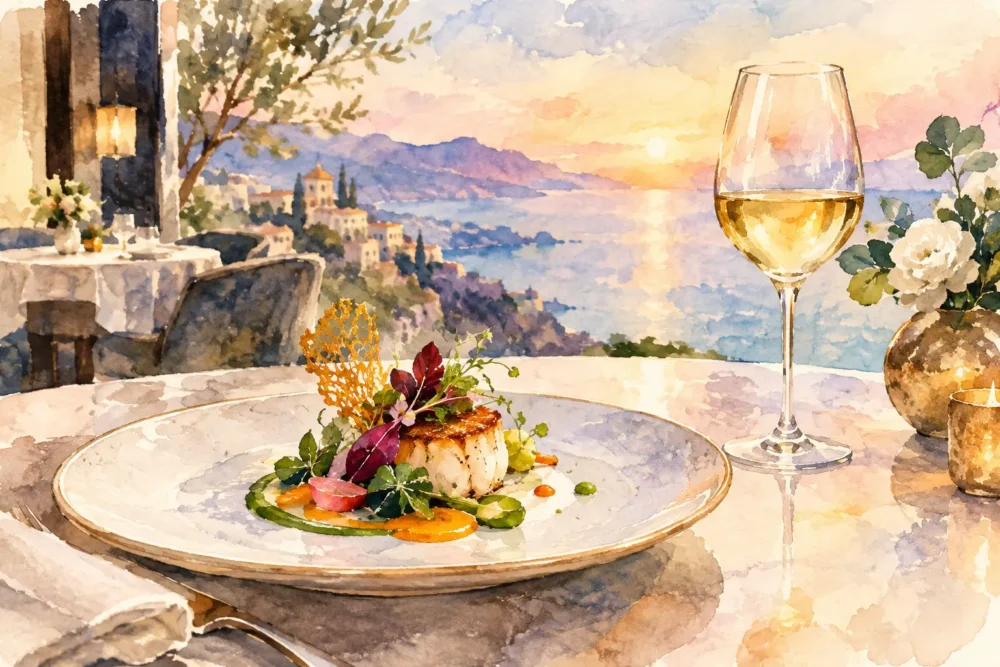
A memorable dinner rarely begins with the first course. It begins with the feeling of stepping away from the hurried pace outside: candlelight against stone, a well-set table, the quiet assurance that the evening has been considered. The defining fine dining trends 2026 point toward this fuller expression of luxury – one rooted not in excess, but in intention, setting, and craft.
For diners planning an anniversary, a long-awaited trip to Sedona, or simply an evening worth lingering over, the most compelling restaurants are refining the details that make a meal feel singular. Exceptional cooking remains essential. Yet the dining room, the rhythm of service, the provenance of an ingredient, and the final glass of wine now carry equal weight.
Fine Dining Trends 2026 Favor Considered Luxury
The era of spectacle for spectacle’s sake is giving way to a quieter confidence. Diners still appreciate surprise and artistry, but they are increasingly drawn to restaurants with a clear point of view. A menu does not need to be elaborate to feel luxurious; it needs to be exact.
This is showing up in more focused à la carte selections, thoughtfully composed prix fixe menus, and dishes that allow a few exceptional ingredients to speak clearly. French technique and Mediterranean sensibility remain especially resonant because both traditions understand restraint. A sauce can be deeply layered without overwhelming the fish beneath it. A ripe tomato, olive oil, fresh herbs, and careful seasoning can carry the grace of an entire course.
There is a practical side to this restraint as well. Smaller, more intentional menus allow kitchens to buy more carefully, reduce waste, and maintain consistency. For guests, the result is not less choice, but better choice: a meal shaped by the season and executed with confidence.
Seasonality Becomes More Specific
“Seasonal” has become a familiar restaurant word, but in 2026, the expectation is moving beyond a broad promise. Discerning diners want to know what is at its best now and why it belongs on the plate. They respond to menus that reflect the first tender greens of spring, summer stone fruit, autumn mushrooms, or the bright citrus and cool-weather herbs of winter.
Local sourcing matters, particularly in destination communities where a sense of place is part of the appeal. Still, locality should not become a rigid performance. An excellent olive oil, a carefully selected French cheese, or a pristine seafood ingredient from a trusted coastal purveyor may be the most appropriate expression of a chef’s standards. The more meaningful commitment is discernment: selecting each ingredient for flavor, integrity, and purpose.
The Return of the Unhurried Evening
Fine dining is once again embracing time as part of its offering. Guests who choose a refined dinner are not looking to be rushed through a sequence of courses. They are looking for a graceful evening with room for conversation, anticipation, and pleasure.
This does not mean service should feel slow. The distinction is essential. Attentive hospitality reads the table: a couple enjoying an intimate pause may welcome a little space, while guests attending a performance or gathering afterward need assured timing. The most polished service anticipates both without drawing attention to itself.
An unhurried pace also changes how food is experienced. A cocktail has time to open the palate. Wine can evolve alongside the course it was chosen to accompany. Dessert becomes a final moment of celebration rather than an afterthought delivered with the check. In a culture built around immediacy, a beautifully paced dinner has become a rare and meaningful luxury.
Hospitality Is Personal, Not Performative
Service in leading dining rooms is becoming warmer and more perceptive, while remaining composed. Guests want knowledgeable guidance, not a rehearsed monologue. They appreciate a server who can explain the character of a Rhône blend, suggest a thoughtful alternative for a dietary preference, or recognize when a table would prefer privacy.
The trade-off is delicate. Overfamiliarity can interrupt the sense of occasion, while formality without warmth can make a room feel distant. The best hospitality rests in the center: gracious, informed, and quietly responsive. It makes each guest feel welcomed without making the evening about the service itself.
For romantic dining in particular, this standard matters. The table should belong to the people seated at it. Every element around them – from the polished glassware to the cadence of the courses – should support connection.
Beverage Programs Move Toward Range and Ritual
Wine remains central to the fine dining experience, especially in restaurants grounded in French and Mediterranean traditions. A considered cellar gives diners the pleasure of discovery, whether they choose a familiar Burgundy, a crisp Provençal rosé, or a lesser-known bottle with character and food-friendly acidity.
At the same time, fine dining beverage programs are making more room for choice. Half bottles, thoughtful by-the-glass pours, elegant aperitifs, and nonalcoholic pairings allow guests to shape the evening according to their preferences. This is not a retreat from wine culture. It is a more generous expression of it.
The strongest nonalcoholic offerings are also moving beyond sweet substitutes. House-made botanical infusions, tea-based pairings, verjus, citrus, herbs, and restrained bitterness can bring texture and complexity to the table. A guest who is not drinking alcohol should still feel that the opening toast and the pairing ritual were designed with care.
Cocktails, meanwhile, are becoming more classic in spirit. Expect well-made martinis, French 75s, spritzes, and spirit-forward drinks with precise balance. The garnish may be beautiful, but it should serve the drink rather than turn it into a distraction.
Dining Rooms Are Designed for Presence
The physical setting has become inseparable from the meal. As more of life is filtered through screens, restaurants are being valued as places where attention returns to the room: the architecture, the glow of evening light, the sound of water in a courtyard, the pleasure of a beautifully dressed table.
Fine dining design in 2026 favors atmosphere over novelty. Natural materials, warm lighting, thoughtful acoustics, and a sense of intimacy are more lasting than visual trends built for a single photograph. The ideal room encourages guests to settle in, hear one another, and feel removed from ordinary demands.
This is also why dining room standards matter. A refined setting is a shared experience. Appropriate attire, considerate conversation, and respect for an adults-oriented atmosphere help preserve the calm that guests have chosen. Hospitality is not only what a restaurant provides; it is also the feeling created when everyone in the room participates in the occasion.
At René at Tlaquepaque, the romance of a European-inspired courtyard and the discipline of French Mediterranean cooking reflect this enduring appeal. The setting does not compete with the cuisine. It gives the evening a graceful frame.
Technology Stays Behind the Curtain
Technology has a role in modern restaurants, but the most luxurious use of it is often invisible. Reservations, guest preferences, dietary notes, and special occasions can be handled with greater accuracy before a guest arrives. The result should be an experience that feels remembered, not managed by a system.
At the table, restraint is preferable. A QR code may be useful in a casual setting, but it can feel out of place when a guest has dressed for dinner and expects the tactile pleasure of a menu, a wine list, and a conversation with a knowledgeable professional. Digital tools should remove friction behind the scenes, not replace the human rituals that distinguish fine dining.
What These Trends Mean for the Guest
The most appealing change is that fine dining is becoming less interested in proving its importance. It no longer needs to pile on courses, effects, or ceremony to justify an evening out. Instead, it asks a more lasting question: what will guests remember when they leave?
Perhaps it will be the contrast of a perfectly crisp wine with a delicate first course. Perhaps it will be the soft light across the table, or the way a dessert arrived at precisely the right moment. Perhaps it will simply be the rare pleasure of giving someone your full attention for a few unbroken hours.
Choose a restaurant that treats those hours with the care they deserve. The finest meal is not merely served. It is composed, course by course and moment by moment, into an evening that remains with you long after the last candle has dimmed.